Get Wild: Making humanity more wild
Get Wild
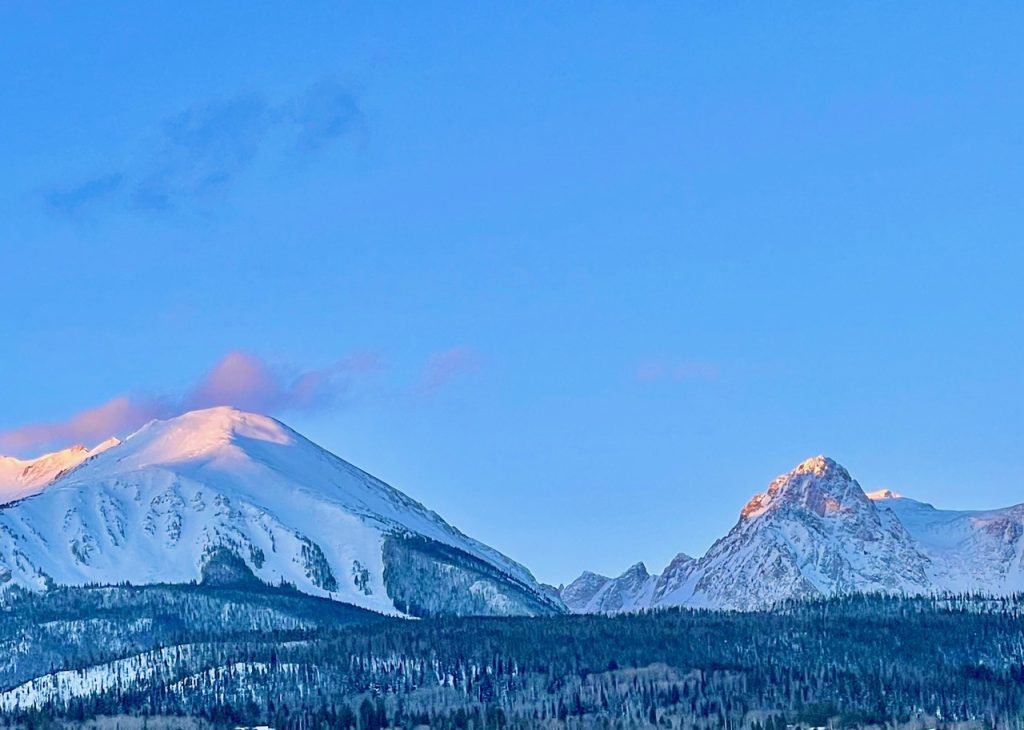
Karn Stiegelmeier/Get Wild
Efforts to rewild our overbuilt, tamed world involve manipulations that give rise to political, social and environmental strife. Witness the fierce battles over wolves, wild horses and protecting sensitive environments. Still, rewilding projects across the globe endeavor to reintroduce endangered plant and animal life, repair degraded ecosystems on land and in the sea, and allow habitats to regenerate naturally. Conservation measures focused on biodiversity and sustainability take many forms and offer some hope in returning parts of the Earth to their natural state. An important piece of this puzzle is often overlooked: because Homo sapiens, as the planet’s apex predator, has lost its sense of place in nature, the question becomes: Can we rewild our own selves?
Henry David Thoreau thought we could. In his 1862 essay “Walking,” he praises “uncivilized free and wild thinking,” the kind that exists in ancient poetry, scripture and mythology, as belonging to the wildness that is “the preservation of the world.” Thoreau sought a romantic, transcendent, kind of life and literature that could give expression to nature, pressing the winds and streams into service and deriving words from wildness, with “earth adhering to their roots.” He points the way for fancy and imagination to recapture human freedom.
Now, 200 years on, it is time that we learn not to control nature, but to revive a feeling for unaltered ecosystems. Our generation of the melancholic and dispossessed is left treating mountains, oceans and forests as objects of consumption, beauty to devour, wildness to tame. The best way to rewild ourselves is to rely on our sense — and senses — to make sure that human nature regains its place in the rest of creation.
To strengthen our sense of sound, instead of stuffing our ears with tinny recorded music on the trail, we could stop drowning out the surrounding soundscape, and listen to the splashes and murmurs of running water, along with sounds of small scurrying creatures and bird calls. To allow our eyes to truly see, we can exercise our memory of captivating sights, a radical departure from the current mania for photographing every passing moment and instantly sending our lost memories off into cyberspace. Close observation of the world around us helps us reclaim our human nature.
For poet Gary Snyder, wildness in human consciousness is “a kind of open awareness.” He advises us to use language playfully and creatively in order to see our surroundings in new, fresh ways. Snyder finds that, to un-tame language, we can frolic in myths, stories, proverbs, riddles and songs. Diverse and unpredictable ideas emerge from language that invites ambiguities and multiple meanings. Creative expression can overcome the formalities, rules and rationality that are routinely forced upon language.
We can follow Thoreau’s and Snyder’s advice and change some obsessive, possessive habits in our use of language. Maybe instead of bragging about “bagging the 14ers,” visitors to wild places can express feelings, memories and the subtle changes of heart that arise when in the presence of natural majesty. Instead of possessing the earth, we can let the earth possess us.
We can stop using language in harmful ways, such as shouting opinions on uncivil social media sites, pounding that one-way pavement of loud judgement and self-righteous beliefs. We can unplug ourselves from the monster machine that sends human expression down spiteful hallways. We can empty out the endless digital voices in our heads, and create our own music and speech that approaches the rhythms and realities of our surroundings. These might be ways to begin rewilding our very own selves.

“Get Wild” publishes on Fridays in the Summit Daily News. Joyce Mosher is a long-time Breckenridge resident and a professor of literature and sustainability.





Support Local Journalism
Support Local Journalism
As a Summit Daily News reader, you make our work possible.
Summit Daily is embarking on a multiyear project to digitize its archives going back to 1989 and make them available to the public in partnership with the Colorado Historic Newspapers Collection. The full project is expected to cost about $165,000. All donations made in 2023 will go directly toward this project.
Every contribution, no matter the size, will make a difference.