Get Wild: Wilderness makes ‘cents’
Get Wild
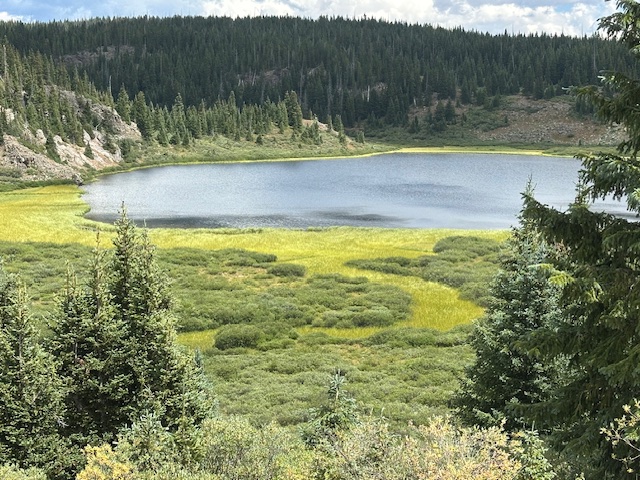
Frances Hartogh/Courtesy photo
For many of us, wilderness areas — those priceless natural lands preserved under the 1964 Wilderness Act — have intrinsic value as federally protected habitat for wildlife and plants species and places to recreate and restore one’s spirits. However, our Wilderness Areas also make “cents.” This article briefly explores some of the many monetary values that make protecting our wilderness areas good economic sense as well.
Wilderness areas are foundational to our local economy. It is estimated that up to 40% of Summit County’s economy is driven by tourism, including 46% of all jobs. People come to our mountains not just to ski in the winter but also to admire and recreate in our wilderness areas in the summer and fall. They keep our hotels, restaurants, and shops afloat after all the skiers leave, and create work for river, fishing, hunting and adventure guides. Wilderness areas are essential to maintaining a robust year-round economy.
A disproportionately high percentage of our nation’s surface water originates in wilderness areas. While less than 3% of land in the lower 48 states is within federally designated wilderness areas, 25% of all streamflows come from the snow and rain that fall on them. This water provides drinking water for tens of millions of people throughout the West.
Wilderness areas also treat that water and guard against devastating floods for free. The natural filtration of water through the ground delays the water from immediately entering streams and overflowing their banks. This delay allows the water to enter streams slowly, throughout the summer and fall, providing water even after rain and snowmelt taper off. Ever wonder where all the water in our streams comes from when it is not raining and the snow has melted? It’s the slow release of water into streams from groundwater after its temporary storage in the soil from earlier snowmelt and rainfall events. Without these delayed inflows, our streams would dry up in summer.
Those streams in turn support our summer and fall tourist economy. They drive the economy whose jobs allow year-round employment. Those jobs put money in hands of locals to spend in our stores, restaurants, and other businesses to keep them going after ski season ends.
And then there is climate change. Forests in wilderness areas capture significant amounts of the major greenhouse gases carbon dioxide and methane from the atmosphere, slowing global warming. The U.S. Forest Service has estimated that the economic value of carbon capture from our public lands exceeds $2.2 billion per year.
Wilderness areas are the beating heart of our local economy. Protecting them and our other public lands means protecting our way of life, our water, our air and our jobs. As challenges to wilderness areas and other public lands grow, so must our commitment to protect and sustain them.
What can you do? Join and support local wilderness-protection nonprofits like the Eagle Summit Wilderness Alliance and Friends of the Dillon Ranger District. Join national organizations like Wilderness Watch. Cast your vote for politicians who support protecting our wilderness areas and other public lands.
With 27% of Summit County consisting of wilderness areas, protecting them is worth doing — not just because we wish to recreate there, or because we feel a moral obligation to protect all forms of life, but also because it makes economic sense.
“Get Wild” publishes weekly in the Summit Daily News. Mike Browning is a member of the Eagle County Community Wildlife Roundtable and a member of the Board of Directors for the Eagle Summit Wilderness Alliance.




Support Local Journalism
Support Local Journalism
As a Summit Daily News reader, you make our work possible.
Summit Daily is embarking on a multiyear project to digitize its archives going back to 1989 and make them available to the public in partnership with the Colorado Historic Newspapers Collection. The full project is expected to cost about $165,000. All donations made in 2023 will go directly toward this project.
Every contribution, no matter the size, will make a difference.