Rooted in the Rockies: Native plants create landscaping that blends with the environment
Native plants offer beauty, lower maintenance and greater resilience in Summit County’s luxury landscapes

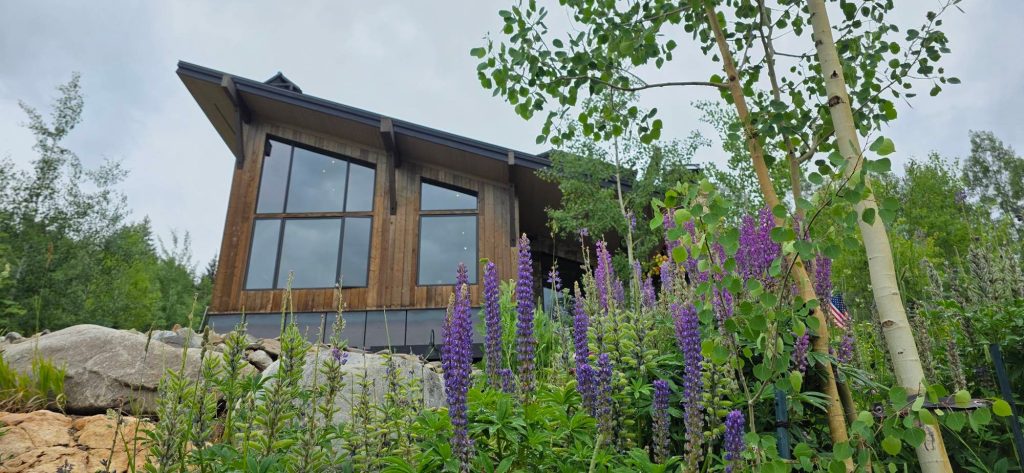
Sarah Blincoe/Courtesy photo
Summit County’s luxury homeowners are increasingly turning to native plants and mountain-adapted landscaping that can thrive in high-Alpine environments.
Instead of filling flower beds with species that require constant watering or seasonal replanting, many homeowners have embraced gardens built around resistant perennials, native shrubs and drought-tolerant plants that return year after year. Local landscaping professionals say the trend reflects changing lifestyles, ongoing concerns about water conservation and a growing appreciation for gardens that complement, rather than compete with, the surrounding environment.
“Many homeowners recently want to plant once and have it be prolific every year,” said Sarah Blincoe, owner of The Summit Standard, a luxury property management company that works with many of the county’s high-end homeowners on landscaping design and maintenance.
“Most of my homeowners that are in newer-build homes are going for the low-maintenance plants from our list,” Blincoe said. “Once you plant them, you don’t have to come back and plant again every year.”
For Blincoe, the appeal of resilient native plants is simple.
“My favorite homes that we care for are the homes where they planted years ago and now the gardens just look incredible every spring,” she said.
Designing for mountain living
As a lifelong Summit County resident, Blincoe has watched landscaping trends evolve alongside the local luxury housing market. Her mother founded Snowberry Hills, a luxury property management business, in 1980. When she retired in 2023, Blincoe took over with a new name.
Blincoe remembers a time when gardening was more actively part of mountain homeownership.
“In the 90s, homeowners that would come up from Texas and buy homes in Keystone Ranch, they would go out in their free time and garden,” she said.
But those days have become increasingly rare.
“Now, most homeowners aren’t doing that — they want the garden to be easy and beautiful and let the landscapers handle it,” Blincoe said.
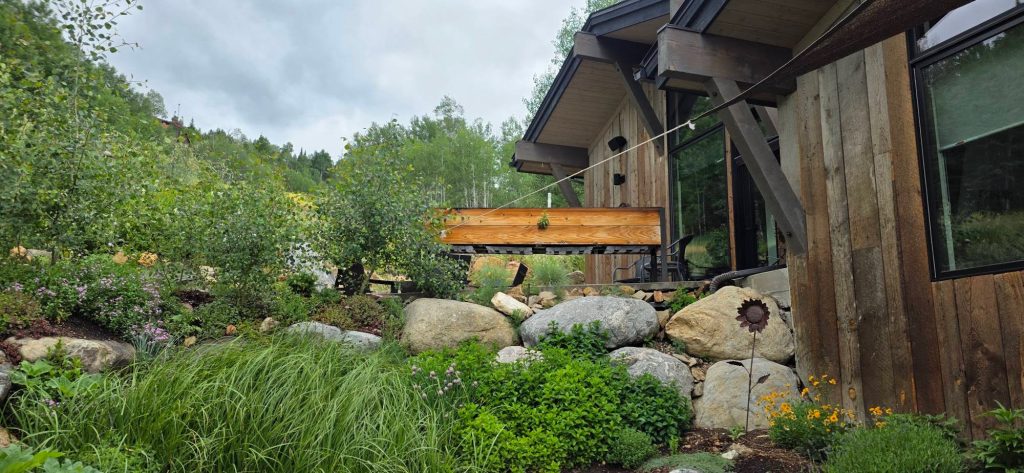
Rather than tending to flower beds on weekends, many of Summit County’s luxury homeowners now prefer spending their time recreating outdoors.
“They don’t want to go out and weed it and deal with it themselves because they’re out biking and skiing and golfing,” Blincoe said. “It’s become a lot more of a status symbol and less of a hobby.”
Even for full-time residents in high-end homes, she said, gardening has become less hands-on than in prior decades. That shift has changed requests from clients.
“We work with a lot of landscaping companies and we work with a lot of homeowners that want to make their gardens more upscale, more water-friendly and requiring less maintenance,” she said.
In a summer marked by historic drought conditions, heightened wildfire risk and strict irrigation limits across the county, that mindset has grown even more pronounced.
Plants that work with the climate
Colorado’s state flower, the columbine, remains one of Blincoe’s most reliable recommendations for a multitude of reasons: it thrives at high altitudes, rarely requires replanting and comes in a variety of colors for homeowners looking to customize their landscape designs.
“The number one plant that does well in Colorado is the columbine,” Blincoe said.
She said her family has seen that resilience firsthand.
“My mom has been growing columbine plants for decades and has never had to plant seeds more than once,” Blincoe said. Today, she added, the flowers have grown “taller than my four-year-old.”
Other dependable native choices include purple catmint, yarrow, poppies, bleeding hearts, sage and potentilla. Many of these plants offer extended bloom periods while requiring relatively little water once established.
“Purple catmint is a staple because it doesn’t need much water and the blooms last for months,” Blincoe said.
The perennial shrubs can grow to three feet tall at maturity, perform well in full sun or partial shade and are incredibly adaptable to dry conditions. Stalks of tiny periwinkle flowers attract all types of pollinators. (And for those wondering, yes, felines love to roll around in catmint bushes.)
Blincoe said those longer bloom windows are especially valuable for second-home owners who may only live in Summit County for part of the summer but still want color throughout the season.
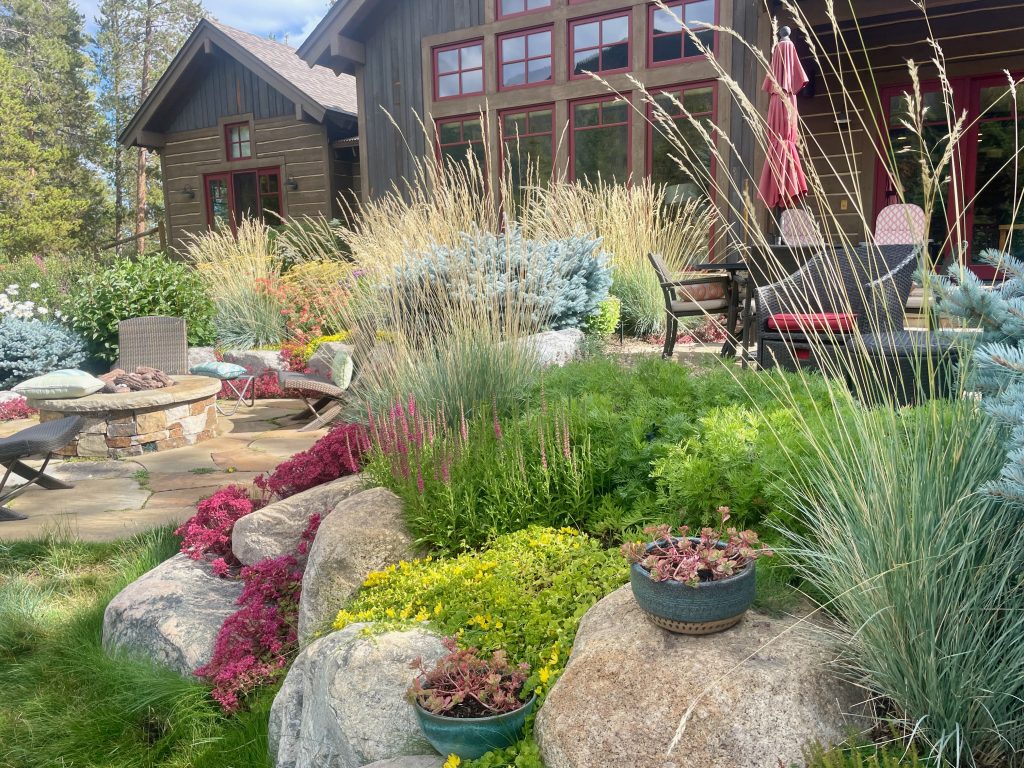
Leafier shrubs like honeysuckle and gooseberry can add structure and privacy, while also supporting pollinators like bees, butterflies and hummingbirds. Groundcovers like creeping thyme help retain moisture and reduce maintenance in dry conditions.
Blincoe also frequently recommends lupine, one of Colorado’s most widespread and iconic wildflowers, though she distinguishes between ornamental varieties and native species that already grow throughout the county. While she said ornamental lupine has become the more popular option among luxury homeowners due to its variety, the plants require more water.
“The native lupine is everywhere,” Blincoe said. “If a homeowner wants to go with less water, more native (plants), then they can just go pull seeds from any trail in Summit County.”
Before designing a landscape, she said she often asks homeowners whether they prefer a view dominated by greenery or seasonal color.
“I think the main thing homeowners do in the garden is try to match their personality,” she said. “So, if the home is super minimal, the garden is most likely going to be very minimal. If the homeowner has a bit more flair, what I’ve found is they want so much color and texture.”
No matter the aesthetic, she said, the guiding principle remains the same: choose plants that can thrive with minimal intervention.
An emphasis of resilience amid peak wildfire season
For Charlene Meeker, owner of her own boutique luxury landscaping business cleverly named Charlene’s Greens, native landscaping is as much about resilience as it is about appearance.
Meeker founded Charlene’s Greens around three years ago after working in real estate development and later shifting careers after she said she was unexpectedly fired following a health crisis. Calling it “the push off the cliff” she needed to pursue her lifelong passion, Meeker has since earned her Master Gardener certification and built a client base across Summit County.
Starting out meeting clients while walking and biking around luxury neighborhoods in Frisco, Meeker said, “Suddenly I had more clients than I knew what to do with.”
Many of those clients, she said, are second- or third-home owners who rely on her team to maintain properties while they’re away.
“They come home and their gardens are magical and taken care of all through the season,” Meeker said.
Meeker said she believes it part of her duty to educate her clients, especially those unfamiliar with growing plants in alpine conditions.
“Many people come from places like Texas or California, for examples, and if they don’t know better, they expect things that grow in those communities to survive here, and they will not,” she said.
Meeker bases much of her plant selection on guidance from the Colorado Native Plant Society and relies almost entirely on species already adapted to Summit County’s dry climate.
“We are in a semi-arid climate, or right now it feels like we’re completely arid,” she said, referencing ongoing drought conditions.
That reality has pushed Meeker to expand into what she calls “fire-scaping,” which integrates wildfire mitigation into landscape design.
“This is a perfect year to be talking about it,” she said.
Fire-scaping focuses on removing or reducing combustible vegetation near homes, replacing it with lower-risk plants or fire-resistant materials. Ornamental grasses, for example, can become highly flammable when dormant.
“When they go dormant, they’re dry,” Meeker said of ornamental grasses. “If an ember catches them, then you have an ignition.”
She also works with homeowners on creating “defensible space” around structures, including clearing vegetation close to foundations and thinning brush in surrounding areas. Summit Fire & EMS operates a free home inspection program focusing on fire mitigation. The fire protection district offers guidelines for defensible spaces online under “wildfire mitigation tips.”
Still, Meeker said, countywide water restrictions have not dampened interest in landscaping projects.
“I was actually concerned that people were going to slow down adding to or creating new gardens, or just give up on their gardens this year because of the restrictions,” she said. “But you don’t need to.”
Native plants are a large part of the answer, she said.
For example, Meeker said, “my catmint plants are so established at this point that I can probably avoid watering them with any source other than Mother Nature.”
“And that’s what we want,” she added, “beautiful gardens, beautiful flowers, but you’re not needing to contribute that water.”
This story originally published in Summit County Home magazine.
-
Local landscaping experts say the Colorado columbine is one of the best flowers to plant in Summit County gardens. It comes in a variety of colors, making them perfect for homeowners wanting to customize designs.
Sarah Blincoe/Courtesy photo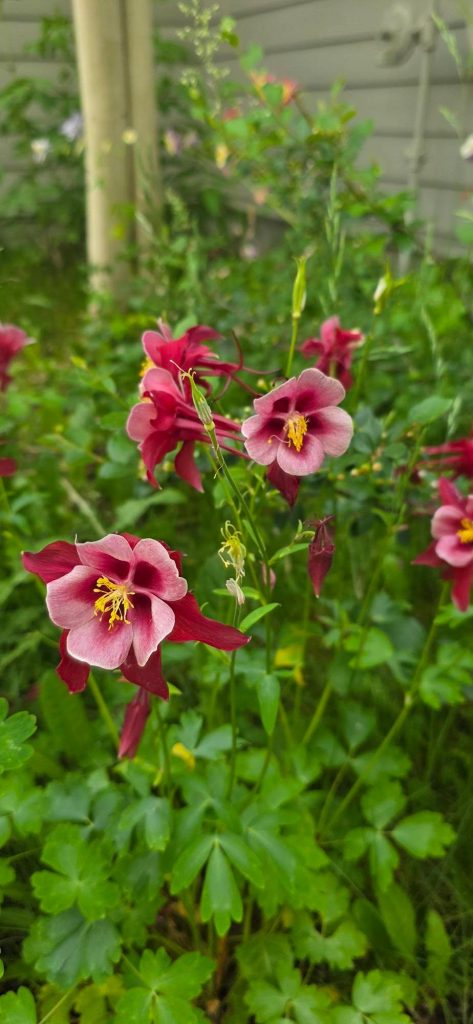
-
A side angle of a columbine shows the flower’s unique petals. The tendrils on the back of the flower are called nectar spurs, which help attract pollinators like bees, butterflies and hummingbirds.
Sarah Blincoe/Courtesy photo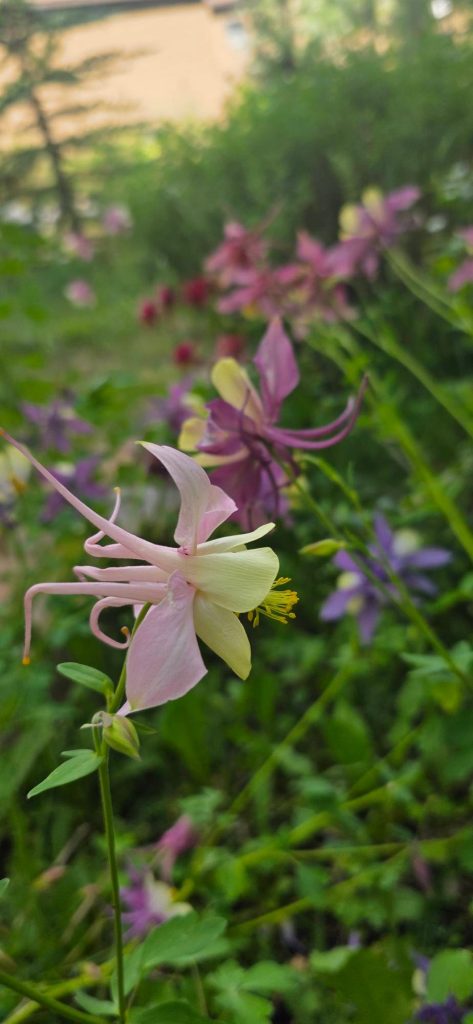
-
While most vegetables don’t survive well in the high country, some species of lettuce, spinach and chard can grow well with extra care.
Sarah Blincoe/Courtesy photo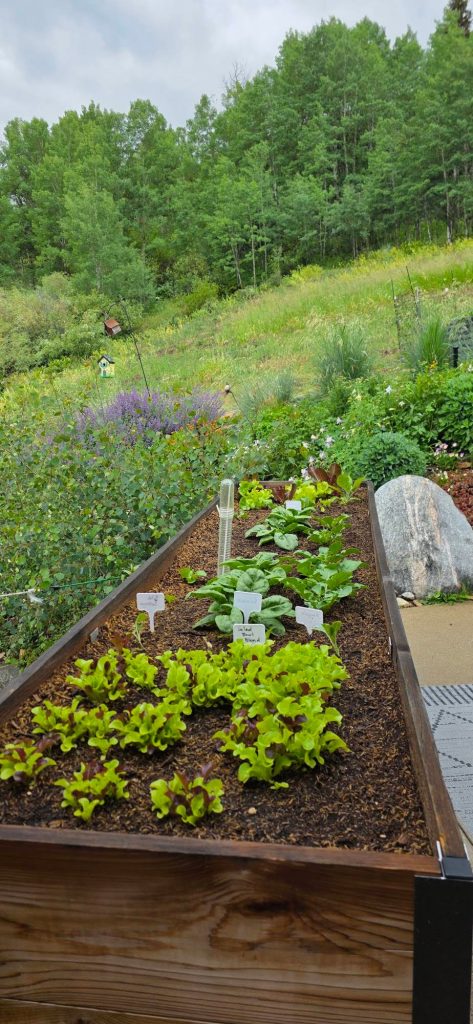




Support Local Journalism
Support Local Journalism
As a Summit Daily News reader, you make our work possible.
Summit Daily is embarking on a multiyear project to digitize its archives going back to 1989 and make them available to the public in partnership with the Colorado Historic Newspapers Collection. The full project is expected to cost about $165,000. All donations made in 2023 will go directly toward this project.
Every contribution, no matter the size, will make a difference.