Child care advocates look to protect children’s programs as Colorado faces $850 million budget shortfall
Save the Children Action Network is tempering its legislative goals for 2026 amid a tightening state budget, with a strong focus on early childhood education and intervention

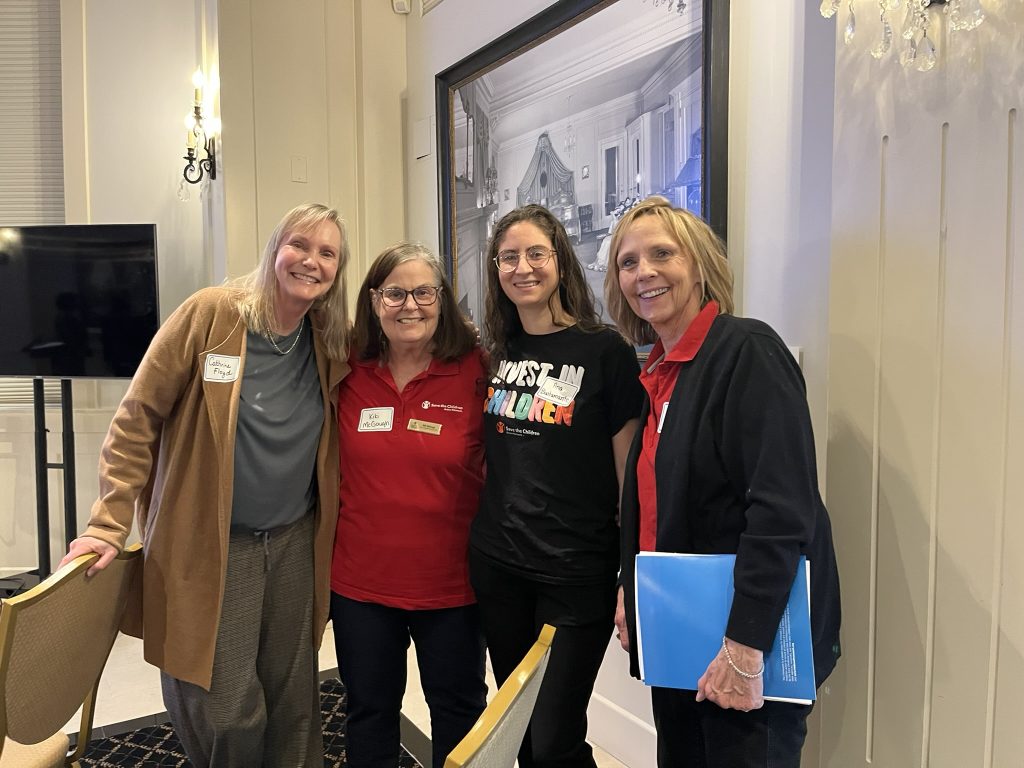
Courtesy/Save the Children Action Network
With Colorado’s 2026 legislative session approaching, lawmakers and advocacy groups are working against a tightening budget deficit to draft new legislation. Some child care and nutrition advocates are putting goals on hold for those that are more fiscally realistic.
Colorado saw several legislative victories in these areas in 2025, such as fully funding and preserving the Healthy School Meals for All program, and approving supports to early childhood health programs within the Colorado Department of Early Childhood — efforts that received support from Save the Children Action Network.
Save the Children Action Network is a nonprofit with a presence in several states across the country. The network focuses on two main issues when it comes to Colorado state policy: early childhood education and childhood nutrition — two topics that legislators carried to center stage in 2025.
“We were really happy to see the overwhelming support of (Propositions) LL and MM, especially right now in the usual Denver area but also in rural communities,” said Ana Bustamante, Colorado state manager for Save the Children Action Network. “We think it’s super important to continue the work to make sure that those dollars actually are utilized in the best way possible, and that they stay within our communities that need them the most.”
As the network prepares to support upcoming legislation in these areas, state budget constraints and broader federal uncertainties could limit fiscal support for these bills.
“Knowing that there’s not going to be a lot of funding available for new bills is definitely a big consideration,” Bustamante said. “We know that we cannot introduce any legislation that will have a big fiscal note. We know it’ll be a hard sell to have any bills that will cost the state a good chunk (of money).”
The state’s latest economic forecast estimates that the state will see a decline in revenue by the end of the current fiscal year ending in June 2026. Coupled with growing Medicaid spending and federal funding cuts, lawmakers will likely need to slash around $850 million from next fiscal year’s state budget, according to prior reporting by The Aspen Times.
Bustamante said there’s always the possibility that some of these cuts might come at the cost of early childhood education and nutrition efforts. The network’s goal, she said, is to keep children and families from being grouped in with any cuts.
“We know the state budget, it’s in a difficult position,” she said. “There’s many competing priorities, but we’re just looking to hold children harmless. That means protecting funding for programs serving children and families from disproportionate cuts.”
Cuts to the Department of Early Childhood Education so far have been minimal compared to other departments and early intervention funds have seen a slight increase from last year, which Bustamante said will be beneficial to investing in their legislative goals. Colorado increased the Department of Early Childhood’s total funding to about $802 million for the 2025-26 fiscal year, which is roughly $16.7 million more than the prior year.
Data from the National Institute for Early Education Research shows that for every dollar invested in early prevention and education for children ages zero to five, the state saves around $7 later on.
“We know that if we invest in our smallest children, we’ll be saving long-term costs,” Bustamante said. “With the very tight budget that Colorado maintains, we want to move away from band-aids and needing to provide support later on because we didn’t invest early.”
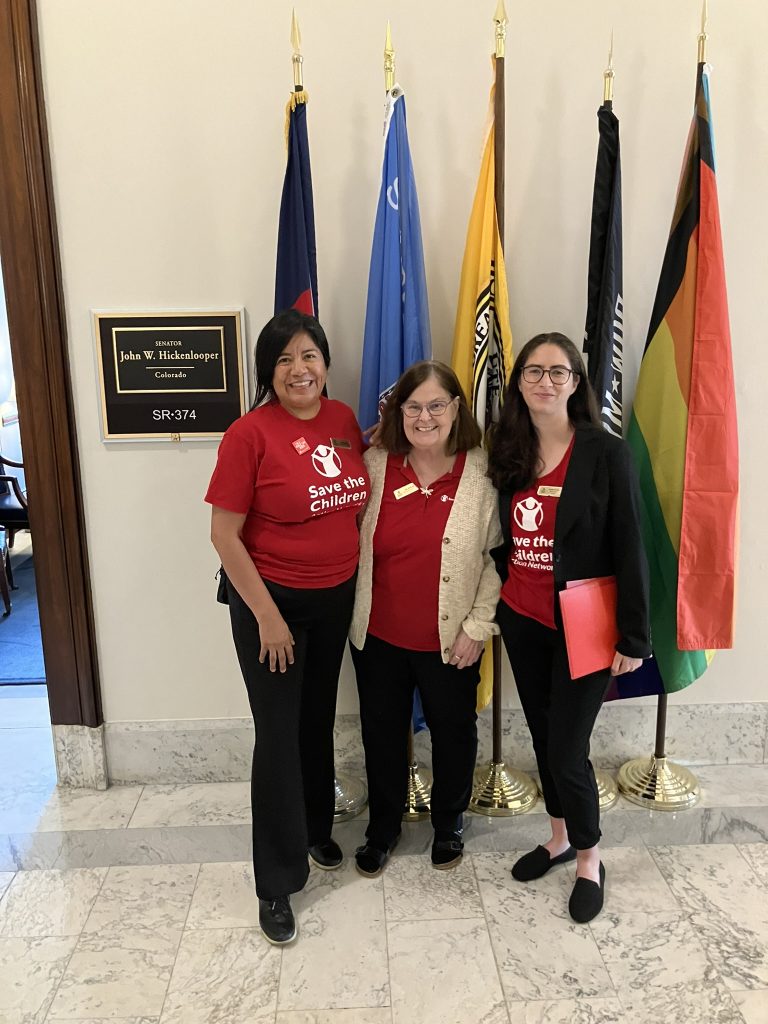
Advocates look to upcoming legislation to improve child care for rural counties
Bustamante said one of the network’s goals heading into 2026 is to ensure that under-resourced families and communities have access to childhood education and nutrition programs, especially in child care deserts.
A poll of rural U.S. voters commissioned by the Save the Children Action Network revealed that 6 in 10 rural voters are worried they might not be able to afford enough food to feed themselves and their families over the next year, and 55% say the availability of high-quality and affordable child care has gotten worse since the pandemic.
“Child care freezes and waitlists are not just in more urban areas like Denver,” she said. “Colorado mountain towns are definitely suffering through the same issues. It’s not just about access, but also, how can we support more child care centers opening?”
“When we see cuts, it’s usually (rural) folks that suffer the biggest consequences,” she added.
She pointed to the loss of available quality-related dollars for Colorado’s Child Care Assistance Program as one of the network’s more recent concerns. The program, which helps low-income families pay for child care so that parents can work, look for jobs or attend school, is facing tighter funding due to a combination of expired federal pandemic-era aid and state policy changes that have shifted how money is distributed. Some child care providers have said these pressures have already led to enrollment freezes in some counties.
“We totally understand that child care improves the economy, prevents child abuse, and creates better outcomes for kids, so we support putting as much money as possible into the Child Care Assistance Program. However, we want to make sure that it continues to be quality dollars, quality programs, whatever that looks like,” Bustamante said.
While several legislators and advocacy groups are still in the early stages of planning and drafting legislation for the upcoming 2026 regular session, she said one bill that will definitely be introduced — with support from Save the Children Action Network — is the continuation of the Child Care Contribution Tax Credit. The initiative, led by Executives Partnering to Invest In Children currently extended to 2028, provides an income tax credit for taxpayers making monetary gifts to qualifying child care facilities.
With a more constrained budget than in previous years, Bustamante said the network is being realistic about adapting its focus to bills that wouldn’t require too much funding from the state.
“While we had the COVID dollars, we saw a lot of amazing programs that were fully funded. We saw what could be done, should you have a good budget,” Bustamante said. “I think this being the second year of having a hard budget, folks are being very realistic and not thinking about any big bills at the moment.”
“We’d love to see so many more investments or programs that we know won’t happen until the budget situation changes,” she added.






Support Local Journalism
Support Local Journalism
As a Summit Daily News reader, you make our work possible.
Summit Daily is embarking on a multiyear project to digitize its archives going back to 1989 and make them available to the public in partnership with the Colorado Historic Newspapers Collection. The full project is expected to cost about $165,000. All donations made in 2023 will go directly toward this project.
Every contribution, no matter the size, will make a difference.