Colorado’s housing market hits a seasonal slowdown, boosting buyer leverage
As homes sit on the market for longer, sellers are bringing down prices and temporarily removing listings for the holiday ski season

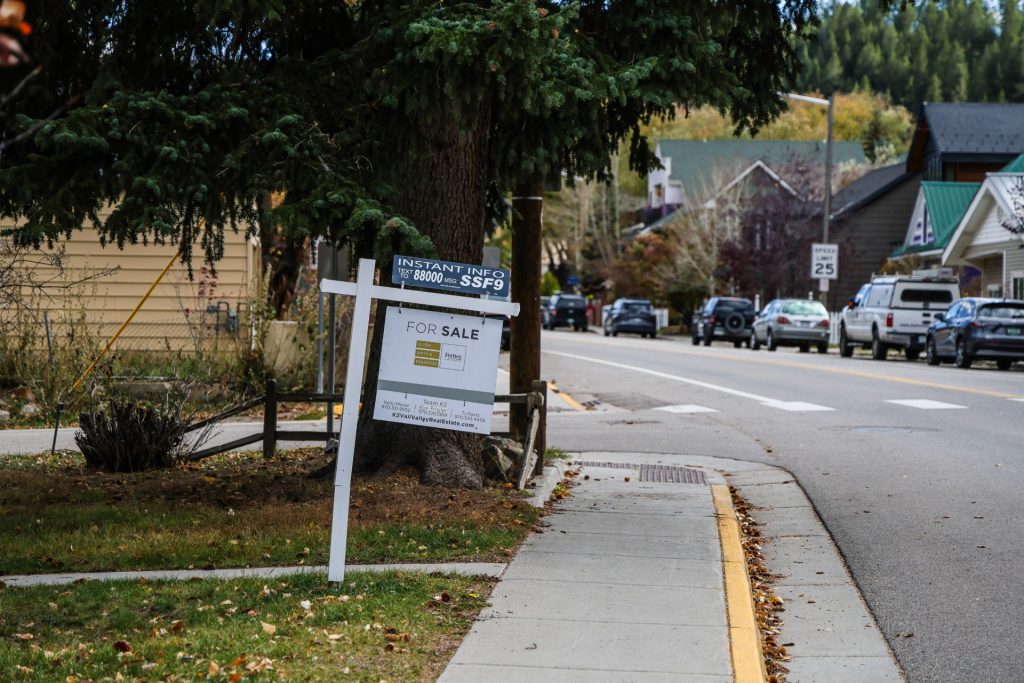
Chris Dillmann/Vail Daily
As travel, shopping and winter activities speed up for the holidays, Colorado’s housing market slows down. Buyers are remaining quiet, sellers are compromising on prices and real estate agents are pointing to more balance across the industry.
November totals for Colorado’s housing market showed softer sales activity, paired with signs of “growing balance across music of the state,” according to the latest Market Trends Housing Report from the Colorado Association of Realtors. So far, December has largely followed the same formula.
“Normally, around Christmas time, it does slow,” said Dana Cottrell, former president of the Colorado Association of Realtors. “You would think, with all the people that are coming in over Christmas, all the tourists, that real estate would boom … (but) the number of sales goes down each and every year, from December to January to February, pretty much for the last 10 years.”
Colorado’s November inventory of active listings was 1% higher than it was in 2024, with a slightly smaller number of condos. The most notable change came from sold listings, which fell by over 10% between 2024 and 2025 statewide, and an almost 2% drop in new listings.
A couple Western Slope counties seem to stray from the trend, but to different degrees. Summit and Pitkin counties also saw a drop in new listings from November 2024 to November 2025, while counties like Routt, Grand, Eagle and Garfield all saw an increase, according to November data from the Colorado Association of Realtors.
While most counties followed the state in fewer sold listings despite an increase in inventory of homes for sale, Pitkin and Routt counties each saw an 8% increase in single-family homes sold in November 2025 compared to the same time last year. None saw an increase in sales for condos and townhomes.
This softer sales activity, rather than being a point of concern for Realtors, signals the approach to a more balanced housing market.
“Early 2024 was still feeling the lift of post-COVID buyer confidence and some contract activity lingering from 2023. So, comparing 2024 to 2025 should be tempered,” Kristen Maley, president of the Aspen Board of Realtors, said in an email. “We are now back to seeing a normal cycle of rebalancing in some segments of the county.”
Homes are spending longer on the market, averaging 68 days statewide for the month of November, the report states. That’s 12% longer than last year, giving buyers renewed negotiating power.
For mountain towns in Colorado’s ski country, the wait can be even longer. Grand County’s days on market for single-family homes climbed to 134 year over year in November, Eagle County’s climbed to 128, Routt County’s climbed to 126 and Summit County’s climbed to 99, according to November data from the Colorado Association of Realtors.
Routt’s jump to 126 was the steepest across ski town markets, with a 223% increase from 39 days in November 2024.
Garfield County was one of the few counties in the state to see a drop in the number of days single-family homes spend on market until they’re sold, falling 22% to 96 days. Pitkin County’s single-family homes, on the other hand, climbed to a notable 268 days on the market in November 2025.
Pitkin County’s housing market, which is mostly Aspen and Snowmass, also includes some rural areas like Woody Creek, Old Snowmass and part of Basalt, which typically have a smaller buyer base. While this makes it difficult to pinpoint exactly where this increase comes from, Maley said the longer timeline for sales tracks with the rising average sales pricing.
“Home pricing and prices per square foot continue to rise and set records in Pitkin County, in particular the City of Aspen. Seems plausible that it might take more time to find just the right buyer who sees value in being a part of a community like Aspen,” Maley said. “The more rural parts of Pitkin County saw more days on the market, presumably from a tracking lift in average pricing giving buyers pause.”
Days on market can also go up with new developments, since construction time is typically included in the monthly averages when the property is actively listed for sale during that period.
Longer days on the market for residential listings isn’t necessarily unusual for Colorado’s winter season. Snow-covered homes can make it difficult to give potential buyers a good picture of a home’s features, giving condos and townhomes the upper hand.
“I’ve always contended that it’s harder to sell a home when it’s covered in snow because you can’t see the roof and you can’t see the yard,” Cottrell said. “At least in my business, I always did more condos in the winter, because it is much harder to sell a single-family home in the winter when it’s covered. In summertime it all picks up.”
This year, Colorado’s lackluster snowfall has left homes free of their icy blankets, though that doesn’t seem to be sparking any notable interest from buyers.
One reason behind the quieter holiday housing market is delistings. Some sellers, unable to close on their homes before the start of the winter season, take them off the market and transition them to the rental market, where they can still make money from visitors enjoying the mountain’s ski resorts.
Once the snow melts and skiers check out of their rentals, sellers re-debut their old listings on the market.
“We have always seen that,” Cottrell said. “I had a listing (where the buyer) just took it off the market because she put a renter in there. She’s got them through the winter, so she can make money. … And then they say, ‘OK, let’s try it again.'”
Some smaller prices tags — for now
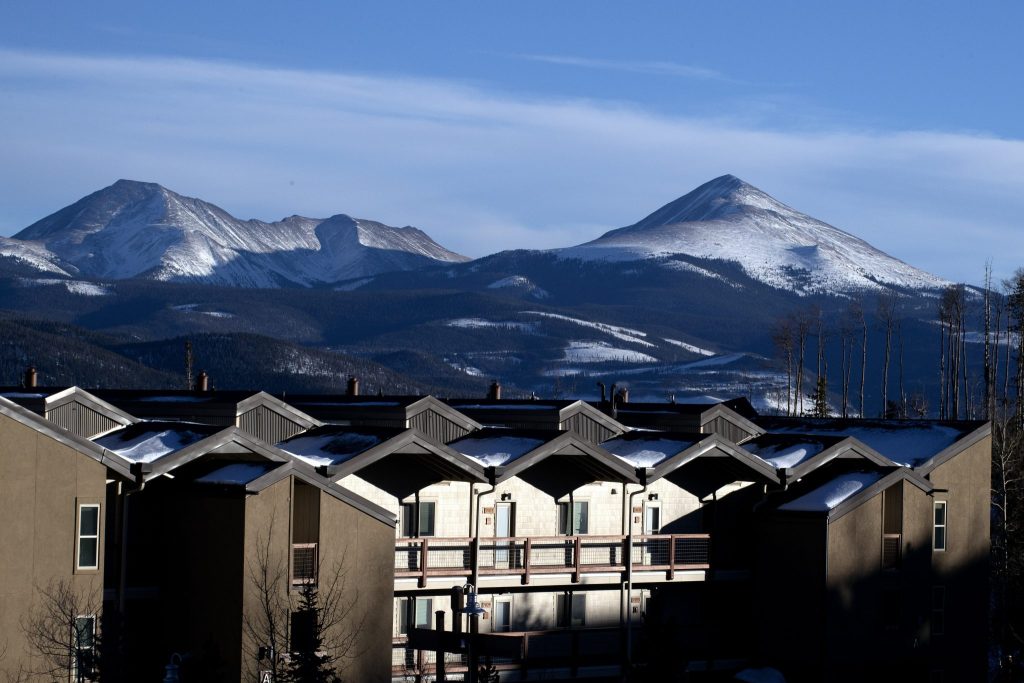
With interest rates hovering in the mid-6% range and cost pressures still influencing affordability, buyers are pushing for more concessions.
Affordability constraints remain the same across most of the state, driven not only by prices and rates, but also by taxes, insurance, and homeowners association fees. These external costs are forcing sellers to concede to more realistic pricing for their homes if they want to avoid their listings going stale.
Statewide, several homes that sold in November closed at roughly 5.7% below the original list price, according to the report.
Homes saw slightly lower median sales prices statewide, falling from around $551,000 in November 2024 to $541,000 in 2025 — a difference of $10,000. The drop is steeper for condos and townhomes, falling from $450,000 to $410,000.
“Sellers are more willing to negotiate,” Cottrell said. “Maybe there are some concessions being made, maybe there are some HOA dues being paid, different things like that to help a buyer get to closing on a property.”
Median sales prices dropped for condos and townhomes across several Western Slope counties compared to last year, though the same can’t be said about single-family homes.
Summit and Garfield Counties saw 21.3% and 8.6% price drops for single-family homes in November, respectively, though prices still far exceed the state average. Pitkin, Routt, Grand and Eagle counties all saw increases.
According to November 2025 data from the Colorado Association of Realtors, Routt County’s median sales price for a single-family home rose by more than 128% for a price of $2,550,000 compared to last year. Eagle County saw the second-highest increase among the listed counties — 75% — for a median price of $2,712,500.
Whether this drop in prices will stretch out into the long-term or fizzle out in the next few months is a gamble, Cottrell said.
Winter forecast: still slow, but balanced
The housing market’s slowdown isn’t over. Cottrell said January and February are historically the slowest months in terms of sales. Both months sit too far past the fall season’s fresh listings, and too early for the state’s spring inventory boom.
Colorado’s spring inventory boom, which typically occurs between April and May, is expected to bring more listings to the housing market. The busiest season for closing then becomes August through October.
“In the summertime, in September and even into the beginning of October, we have some really big closings, a lot of sales,” Cottrell said. She mentioned potential impacts from the “silver tsunami,” a term describing the demographic shift caused by the mass retirement of the aging baby boomer generation.
While real estate agents can only speculate about how the silver tsunami will impact available inventory in future years, Realtors across the country are anticipating that many of the 70 million Americans older than 65 will sell their homes, downsize or age in place.
Part of the baby boomer generation’s resistance to selling until now has come from large capital gains taxes on decades of appreciation, Cottrell said. Additionally, current tax exclusions have not changed much to keep up with inflation, pushing older generations to hold onto their homes.
“(Baby boomers) haven’t been selling,” Cottrell said. “And now, as they get a little bit older … the silver tsunami is going to create more homes for sale.”
As the market prepares to enter into 2026, several are ending the year with a more balanced foundation. Pitkin, Routt, Grand and Eagle counties all had more than a six month supply of single-family home inventory in November 2025, despite some being lower than last year’s supply. Garfield and Summit counties lagged behind slightly, at 5 and 5.6 months, respectively.
Garfield County’s 5 months supply of inventory is still a 61% improvement from November 2024, according to data from the Colorado Association of Realtors.
“We’re in that five range for months of inventory, and that is a very, very balanced market,” Cottrell said. “The difference has been that buyers are taking their time, from what I can see. … It takes (Realtors) longer to find them the house that they’re willing to purchase. They’ve had more inventory of late to look at.”
A 5 months supply of inventory means it would take that long to sell all current homes on the market, assuming sales pace stays consistent. While the 4-6 range is considered balanced, less than 4 months indicates a seller’s market and more than 6 months often suggests a greater lean toward a buyer’s market.
The long-term outlook looks good for some Western Slope counties. Winter Park’s $2 billion Winter Park Resort expansion is expected to increase inventory for Grand County as well as the demand for better-priced housing. Hayden’s housing momentum is also seeing a boost thanks to Amazon’s planned micro-center, according to the report.
The recent sale of the monastery in Old Snowmass in Pitkin County will likely raise buyer confidence in the region’s rural areas, Maley said.
With new projects underway and renewed snowfall boosting tourism, the market enters 2026 with an optimistic, well-balanced outlook, the Realtors association said.









Support Local Journalism
Support Local Journalism
As a Summit Daily News reader, you make our work possible.
Summit Daily is embarking on a multiyear project to digitize its archives going back to 1989 and make them available to the public in partnership with the Colorado Historic Newspapers Collection. The full project is expected to cost about $165,000. All donations made in 2023 will go directly toward this project.
Every contribution, no matter the size, will make a difference.