From miners to winter Olympians: 150 years of Summit County history full of pioneering figures
As Colorado celebrates its 150th birthday, Summit Historical Society president reflects on the generations of people who have shaped, and been shaped by, the high country

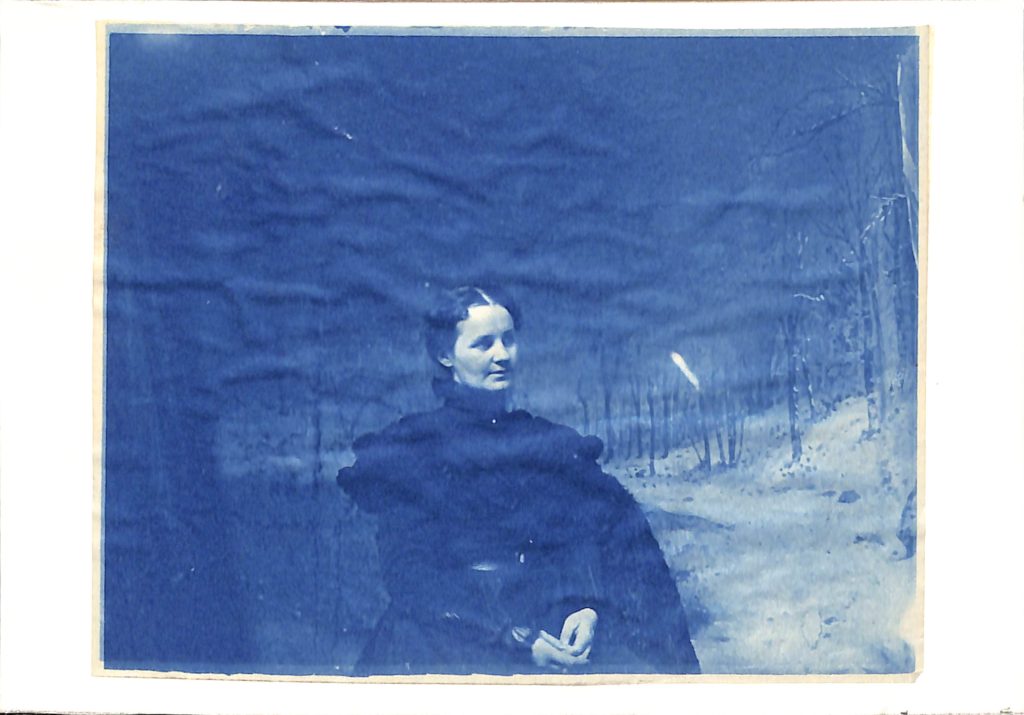
Summit Historical Society/Courtesy photo
“The water shapes the land, the land shapes the people, and the people shape the land.”
For Sally Queen, president of the Summit Historical Society, that sentence captures nearly 150 years of Summit County history.
The county’s story is one of constant adaptation — people responding to the landscape around them while leaving their own imprint on the mountains, valleys and communities they call home. Even if that home has sometimes proved rugged and formidable.
 As Colorado celebrates its sesquicentennial in August, our reporters are looking back at the people and stories that shaped our mountain communities.
This series traces the region’s history from before statehood, beginning with the Ute people, whose creation story is rooted in the Rocky Mountains, and the Hispano families who established some of Colorado’s earliest settlements. From there, it follows the miners and homesteaders who transformed the landscape, and the visionaries who helped build the recreation- and tourism-driven communities that define the region today.
Before Colorado became a state, the Ute people traveled expansive routes through what is today the American West, stopping in Summit County during the summers. Decades later, the Utes were dispossessed and forced onto reservations. At the same time, prospectors arrived chasing gold. Homesteaders built ranches and eventual towns. Ski pioneers discovered a new economy in the snow. Each generation encountered Summit County differently, but each became part of the ongoing relationship between people and place.
As Colorado celebrates 150 years of statehood on Aug. 1, Queen said she hopes residents take time to reflect not only on the state’s history, but on the individuals and relationships that continue to form Summit County today.
The anniversary carries additional significance this year, she said, because Colorado is the only state admitted to the Union during the nation’s centennial year in 1876.
“With the 150th birthday, Colorado is special,” Queen said.
Queen, a Texan and longtime history buff who spent part of the 1980s and 1990s working in Colonial Williamsburg, has spent countless hours studying the local histories of wherever she lived.
“When you look back and you compare the past to the present, there’s a lot of similarities in the transitions,” she said. “That teaches you how to respect the past and be better in the present.”
Pre-statehood: Learning from the land
Long before Summit County formed, the Ute people deeply understood how to live well in the High Country.
They traveled through the region seasonally, following native plants and wildlife and adapting to the harsh terrain of the mountains. Their relationship with the landscape reflected generations of knowledge about resources, seasons and challenges of the area.
That relationship changed dramatically in 1859, when white settlers first discovered gold near present-day Breckenridge along the Blue River.
The initial strike yielded over 20 ounces of gold and soon brought more prospectors to the region, accelerating the push toward forming an official territory. In 1861, Congress established the Colorado Territory, with Summit County among its original 17 counties.
Mineral discoveries continued throughout the county, including silver near Montezuma, and mining became the defining force of early settlement.
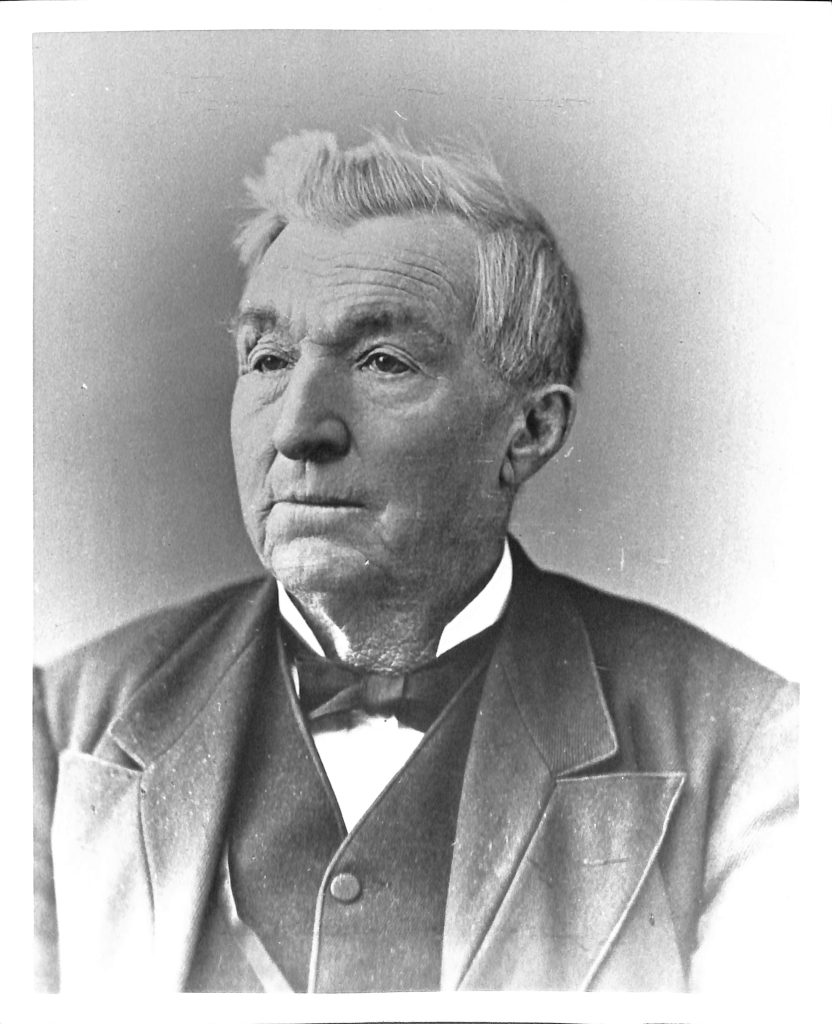
The era also produced figures like Father John Lewis Dyer, a Methodist minister who crossed the Continental Divide on homemade seven-foot skis to deliver mail and sermons to isolated mining camps. His chapel in Breckenridge still stands today, connecting modern residents, visitors and churchgoers with one of Summit County’s earliest communal spaces.
1876-1926: Turning opportunity into community
After Colorado entered the Union as its 38th state, Summit County was largely still defined by mining and shaped by new land ownership laws and transportation routes.
Railroads arrived in 1882, opening access to mountain communities that helped towns grow. Miners, assayers, merchants and business owners built communities around the search for precious metals.
One of the county’s most famous discoveries came in 1887, when contract miners Tom Groves and Harry Lytton unearthed “Tom’s Baby,” still the largest piece of gold ever found in Colorado. Weighing over 13 pounds, the pair wrapped the precious ore in a blanket and paraded it around Breckenridge — hence the nickname.
Queen believes Summit County’s history extends far beyond its most well-known achievements.
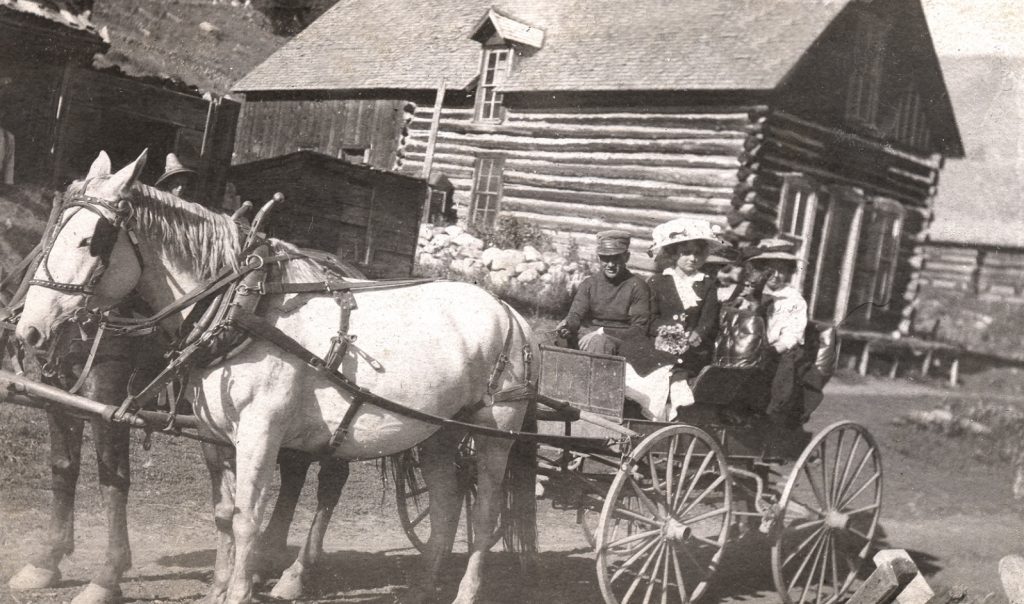
For one, she said, the influence of the Homestead Act of 1862 shouldn’t be underestimated. Passed by President Abraham Lincoln amid the Civil War, the act encouraged settlers to claim and improve federal land with the goal of future property ownership. It allowed anyone 21 years or older to apply for around 160 acres of federal land. Families built cabins, raised livestock, attended one-room schoolhouses and established communities that persisted well after mining declined. Early homesteads in Summit County stretched from Breckenridge to Heeney.
Benjamin Franklin Rice was among Summit County’s earliest homesteaders. His ranch near what is now Summit Cove became one of the first properties later developed for residential use. Today, the Summit Historical Society remains responsible for preserving the Rice Barn.
Queen said she’s especially passionate about the more “ordinary” stories of Summit County residents that still helped form culture and traditions.
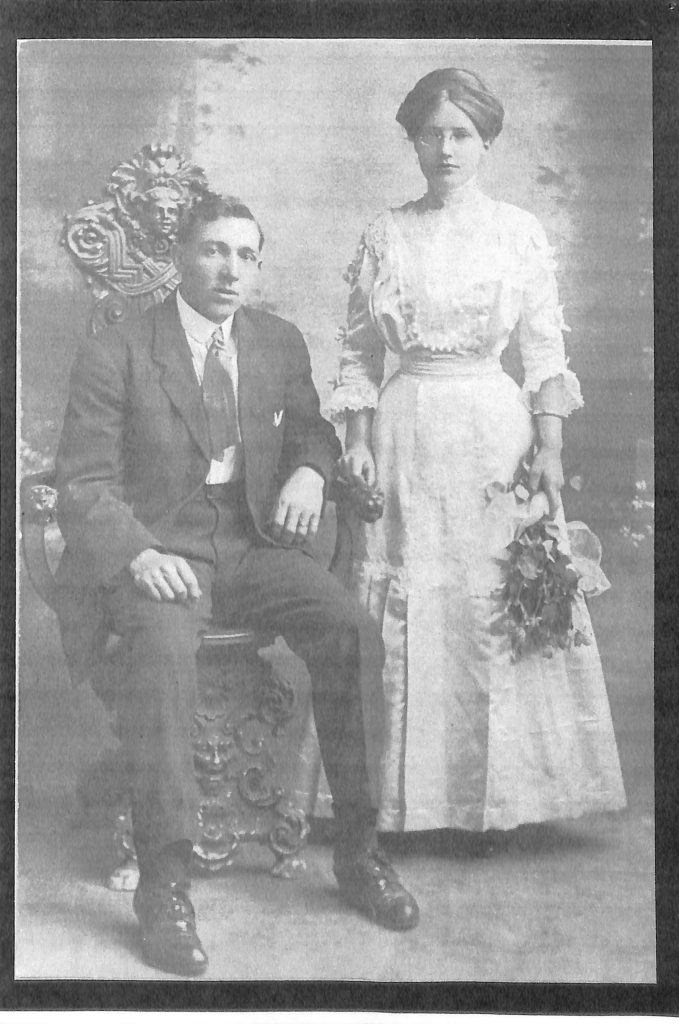
Emma Ballif operated a ranch between Dillon and Frisco, providing dairy products to surrounding communities at a time when most women were considered unfit to head a household, let alone a business. Lulu Buffington became Summit County’s first female superintendent, elected in 1899.
“My focus is on everyday people making life better,” Queen said. “Those are the shoulders we stand on.”
1926-1976: Forging a new future
As mining faded, Summit County adapted once again.
Ranching sustained many families through the early 20th century, but after World War II, residents began looking at the mountains in a new way.
Arapaho Ski Basin Area opened in 1946, marking the beginning of Summit County’s transition toward what Queen calls “white gold” — skiing.
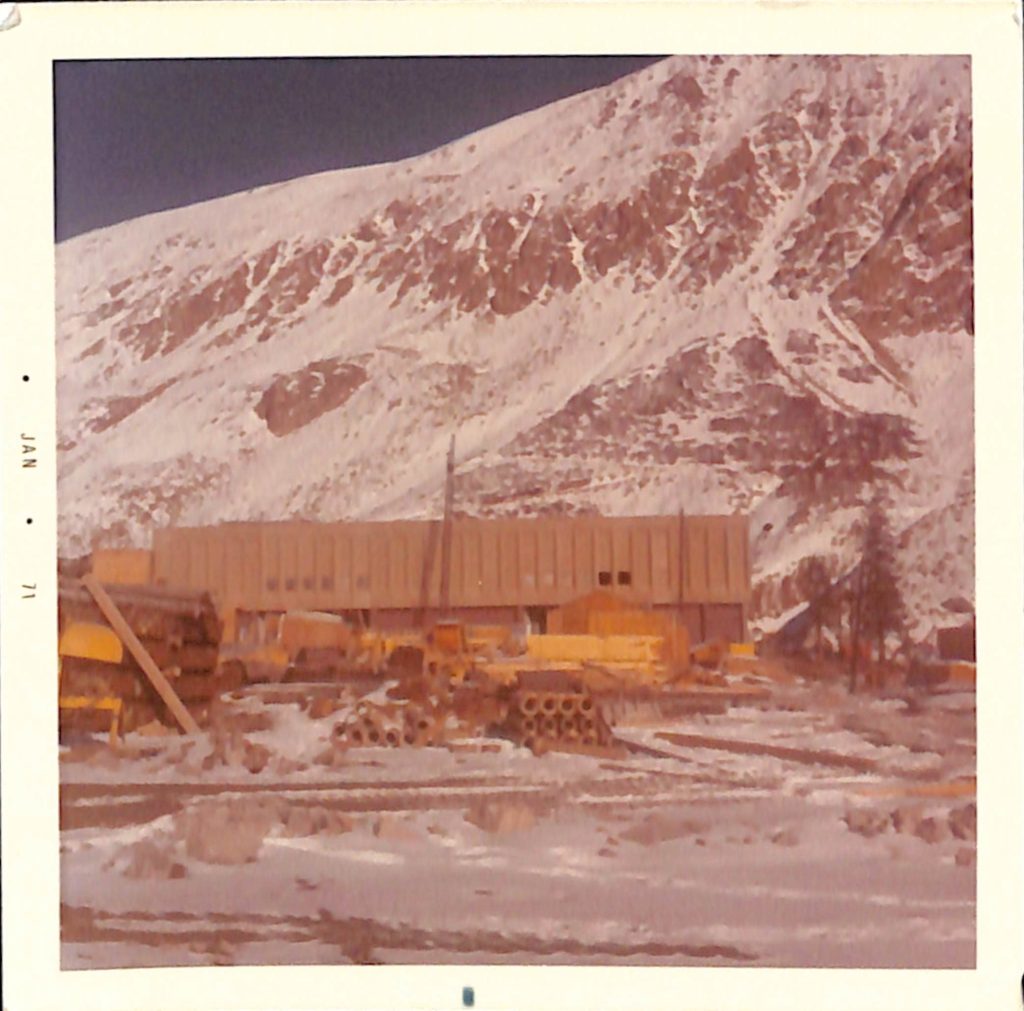
Copper Mountain followed in 1972, further establishing the county as a hub for winter recreation, unveiling the economic power of skiing.
Queen highlighted the construction of the Eisenhower-Johnson Memorial Tunnels, which began in early 1970s, as a major transformation during that time period. The tunnels improved access between Summit County and the Front Range, accelerating tourism, development and population growth.
The same landscape that once drew miners now attracted skiers from across the country.
Queen pointed to C.J. Mueller, the legendary Breckenridge skier who became known as the fastest human on downhill skis in the 1960s and was later inducted into the U.S. Ski and Snowboard Hall of Fame. His passion for the sport has continued well into his later years.
“He’s still on the first chair in Breckenridge every year,” Queen said.
1976-present: Continuing to write history
When Colorado celebrated its centennial in 1976, Summit County was entering another period of rapid change and significant population growth.
Skiing remained central to the local economy, but outdoor recreation expanded beyond winter. Hiking, mountain biking, cross-country skiing and snowboarding became part of the county’s identity.
Arriving later than Mueller, Queen also highlighted Olympic snowboarder Red Gerard, who trained at Copper Mountain while growing up in Silverthorne before winning gold at the 2018 Winter Olympics.
For Queen, those stories belong alongside the miners, ranchers, educators and homesteaders who came before them.
Since she and her husband Bruce, a veteran and also a member of the historical society, first began visiting Summit County in 2000 before making it their home, Queen has devoted herself to learning the stories of people who have and continue to shape the county.
She still spends her days asking residents, “What brought you here?” to then learn how they contribute to the community. Those answers often vary.
That, Queen said, is what makes Summit County’s history so meaningful.
“Whether it’s the land, whether it’s our original people that were here, or the people today making history,” she said. “I have chills. It’s the richness that makes Summit County so unique.”
Explaining the importance of 150 years of history, Queen harkened back to Summit Historical Society’s motto.
“We explore the past to better understand the present and positively influence the future.”
The Summit Historical Society is continuing its yearlong 50+50+50=150 series that explores a different theme each month, including skiing, women of significance, the town of Keystone and more. New stories are posted almost daily at SummitHistorical.org/colorado-150/.




Support Local Journalism
Support Local Journalism
As a Summit Daily News reader, you make our work possible.
Summit Daily is embarking on a multiyear project to digitize its archives going back to 1989 and make them available to the public in partnership with the Colorado Historic Newspapers Collection. The full project is expected to cost about $165,000. All donations made in 2023 will go directly toward this project.
Every contribution, no matter the size, will make a difference.