How to prepare for each stage of ‘Ready. Set. Go!’ wildfire evacuation protocols
Colorado residents and visitors don’t have to wait for an evacuation order and can leave at any time if they feel that they are at risk because of a wildfire

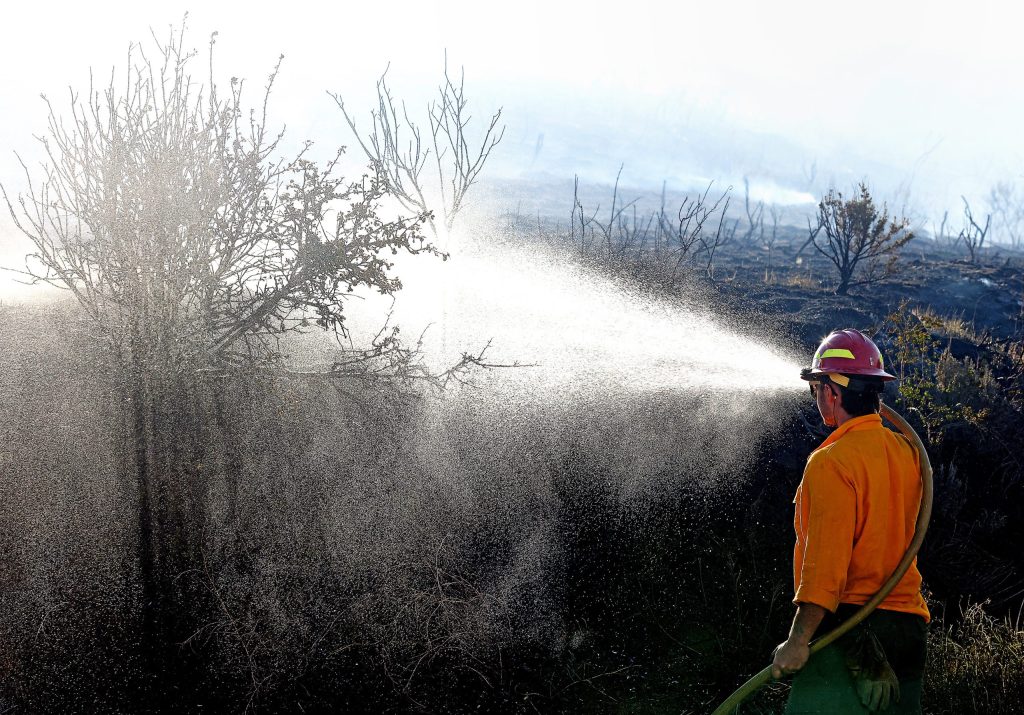
John F. Russell/Steamboat Pilot & Today
In Colorado and most of the U.S., emergency managers use the “Ready. Set. Go!” framework to help communicate evacuation orders. The “Set” stage coincides with pre-evacuation orders, where officials put neighborhoods on standby for possible evacuation. The “Go!” stage usually coincides with officials issuing the order to evacuate.
Here’s how the American Red Cross recommends preparing for each stage of the “Ready. Set. Go!” evacuation protocols:
Ready: Preparing before the fire
The “Ready” stage is the first step in preparing for the potential of a wildfire and evacuations. It involves creating a wildfire plan and preparing a go-bag long before the wildfire starts. This step is important so that people don’t have to rush to prepare to leave in the event of an evacuation order.
One of the most important things every Colorado resident and visitor should do is sign up for their local emergency alerts so that they are receiving the most up-to-date information from emergency managers in the event of a wildfire.
Every family should also create an “action plan” that outlines meeting plans and how family members will communicate in the event of a wildfire. The plan should include how pets and large animals and livestock will be evacuated. Wildfire officials recommend practicing the plan regularly so it becomes second nature.
It is also important to plan and practice several different local evacuation routes, so that they are familiar in the tense situation of an evacuation.
Having an emergency go-bag with a three day supply of food and water as well as things like prescriptions is the best way to be ready to go at a moment’s notice. Wildfire officials recommend keeping the go-bag in the car, in case there is not time to return home.
Everyone in the household should also know where the gas, electric and water main shutoff controls are located and how to use them. There should also be fire extinguishers on hand in every household and all members of the family should know how to use them.
It is also recommended that people have a portable radio or scanner to stay on top of fire and weather information if phone lines are down.
Set: Pre-evacuation notice
The “Set” stage occurs when an active wildfire is close, but not yet directly threatening a neighborhood. This stage usually coincides with local officials issuing pre-evacuation orders warning neighborhoods to prepare for possible evacuation.
During this stage, the American Red Cross recommends monitoring wildfire conditions and local alerts closely. This is also the time to alert all members of the household and neighbors about the wildfire.
Due to the possibility of evacuation, it is recommended that people dress in appropriate clothing made of natural fibers such as cotton and work boots. Having goggles and a bandana or mask can also help with smoky conditions.
At this point, people should remain close to their homes and drink plenty of water. It is important to double check that go-bags are ready and that all household and family members are accounted for and prepared to leave.
If there is time, residents should close all windows and doors, remove all shades and curtains, close any metal blinds, move furniture away from doors and windows to the center of the room, turn off pilot lights and air conditioning units and leave lights on so firefighters can see the house in smoky conditions.
Residents can also move combustible items and outdoor furniture away from their house, turn off propane tanks and leave the exterior lights on, if there is time.
Go: Evacuate
The final step is “Go!” This step can coincide with local officials giving an evacuation order, but it doesn’t have to — residents and visitors can leave at any time if they feel that they are at risk because of a wildfire.
Leaving early can help ease traffic during a wildfire evacuation and is the best way for someone to ensure that they and their family are safe.






Support Local Journalism
Support Local Journalism
As a Summit Daily News reader, you make our work possible.
Summit Daily is embarking on a multiyear project to digitize its archives going back to 1989 and make them available to the public in partnership with the Colorado Historic Newspapers Collection. The full project is expected to cost about $165,000. All donations made in 2023 will go directly toward this project.
Every contribution, no matter the size, will make a difference.