July was the hottest month ever for parts of Colorado’s mountains — and the 2nd hottest statewide
Colorado saw heat wave after heat wave last month as the long-term warming trend of the 21st century continued

Ryan Spencer/The Aspen Times
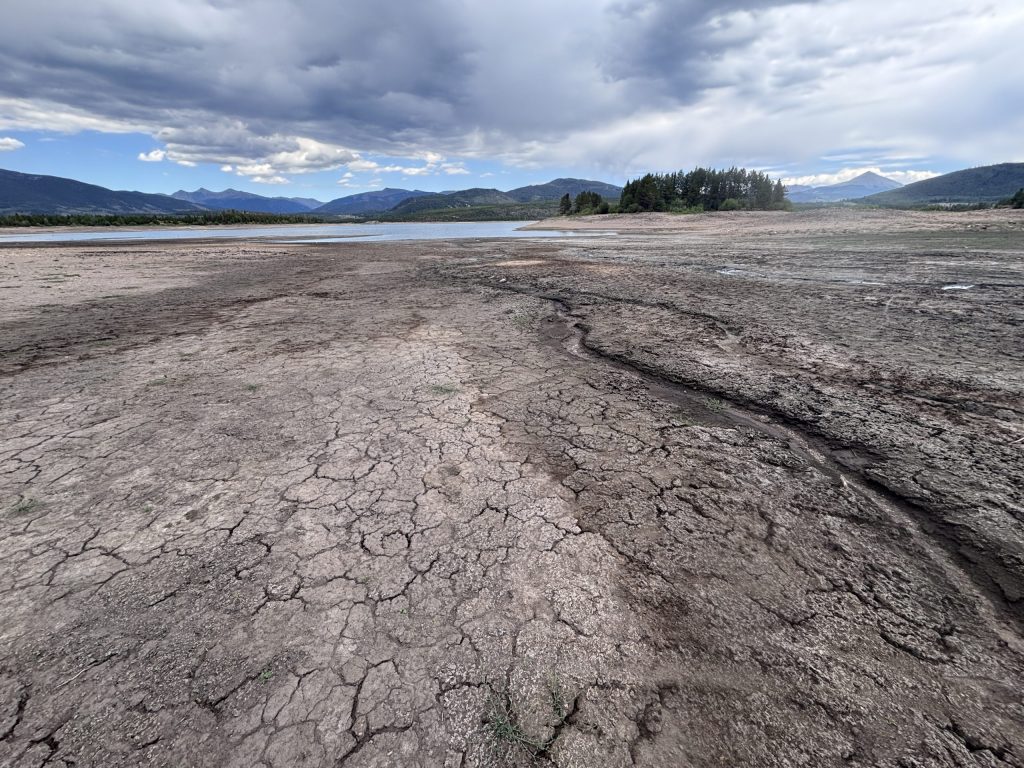
Colorado just experienced its second-hottest July on record, continuing a long-term warming trend that scientists say is linked to human-caused climate change.
Marked by repeated heat waves, July roasted the state at temperatures that averaged 4.8 degrees Fahrenheit above the 20th-century average, according to the Colorado Climate Center’s monthly climate summary.
“Summer and fall are the seasons where the climate change signal has been the most obvious in the past couple decades,” Colorado State Climatologist Russ Schumacher said. “The natural variation in summer is not all that great, so that’s where the signal that we just keep getting warmer and warmer really emerges.”
For portions of Colorado’s Western Slope and much of the Front Range, this past July was the hottest ever documented in 132 years of recordkeeping, according to the summary.
Because July is typically the hottest month of the year, Schumacher noted that areas in the mountains — including parts of Eagle, Summit, Grand, Garfield, Routt and Moffat — experienced the hottest month ever recorded.
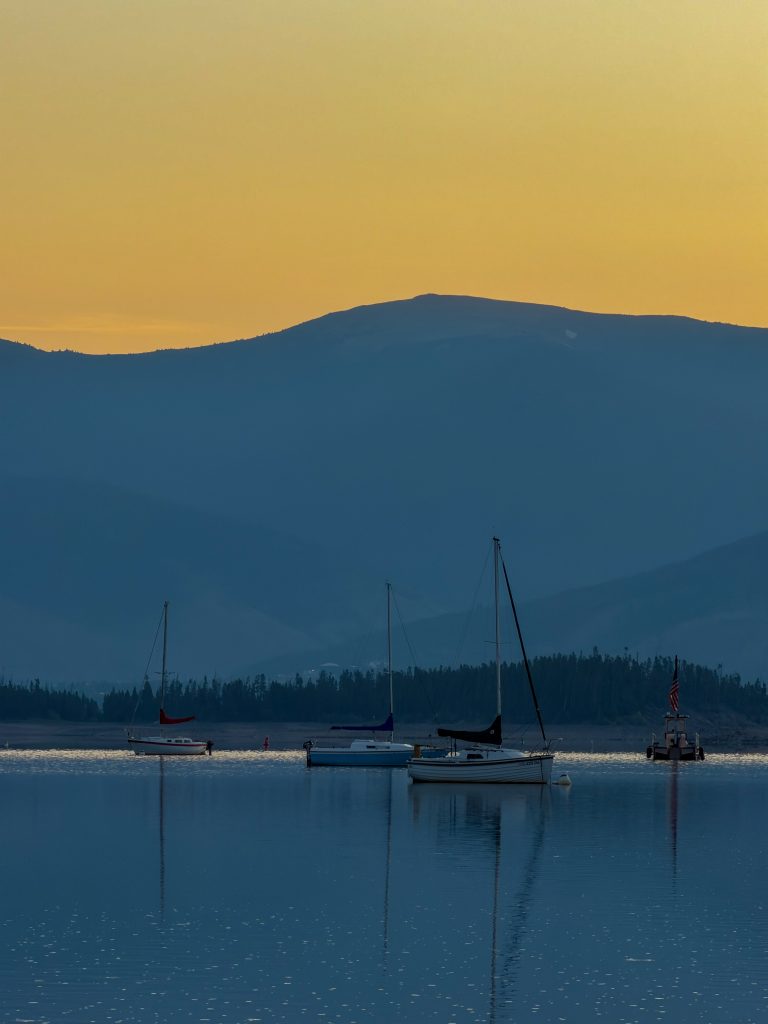
One weather station in Dillon has still never recorded a 90-degree day due to the cool climate at its high elevation above 9,000, Schumacher said. But this July was the hottest month on record there — and the station has already recorded 11 days above 85 degrees, a new record with August and September still to go, he said.
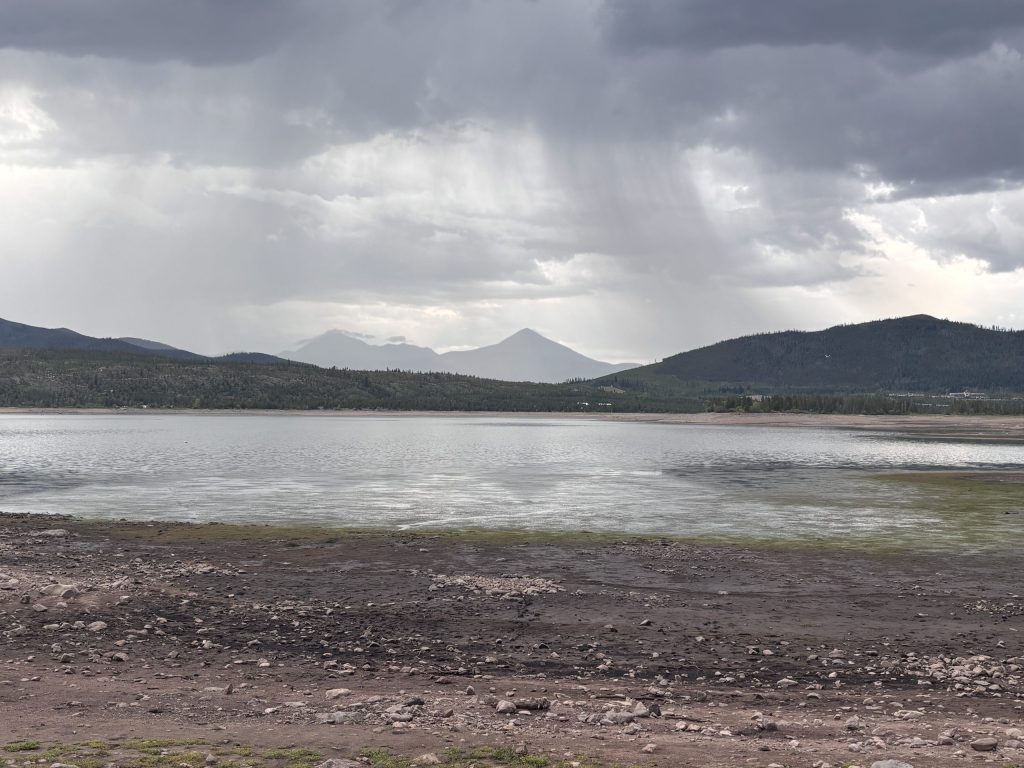
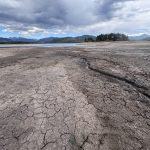
The continued heat comes after Colorado experienced both its hottest winter on record and the worst snowpack on record. Widespread drought conditions continue to plague the state, with much of the Western Slope experiencing the highest levels of drought, according to the U.S. Drought Monitor.
“The impacts of the drought are happening right now — the reduced streamflows, the reservoirs getting low, the wildfires and so forth,” Schumacher said. “We’ll just keep our fingers crossed for some relief as the El Nino sets in.”
Colorado saw heat wave after heat wave
Heat waves — at least four-day periods of above-average temperatures — toasted Colorado from July 6-9, July 12-15, July 20-23 and July 25-28, according to the monthly summary. The July 25-28 stretch was the most extreme heat wave between 1951 and the present, according to the Climate Center.
At an average of 78.75 degrees, the climate summary states July 27 was the hottest day ever recorded in Colorado — with temperatures in Burlington reaching 113 degrees, or two degrees shy of the all-time high. Three of the top seven warmest days ever recorded in Colorado reportedly occurred last month.
Heat waves are occurring more frequently in Colorado and are projected to continue to increase with climate change, according to the Climate Change in Colorado report.
“It was pretty relentless through July,” Schumacher said. “It never really gets cool in July, but there weren’t any periods where it really got much below average. It was one heat wave and then maybe a slight break for a couple days, then another heat wave and then another and another.”
July continues 21st-century warming trends
Whether measured by the calendar year or the water year, which begins in October to better align with seasonal precipitation patterns — 2026 is shaping up to be one of the hottest on record in Colorado, Schumacher said.
Temperatures have trended above average for 14 consecutive months, according to the Climate Center — with December, February and March all being the warmest on record, and November being the third warmest on record.
“It’s just been warm month after warm month for more than a year now,” Schumacher said.
But the warming trend in Colorado is even more pronounced than that. Since the turn of the century, only two summers have been cooler than the 20th-century average — and none since 2009, according to the Climate Center. This pattern of more recent summers averaging hotter than past summers reflects warming trends seen across the globe.
This July was the hottest on record in the contiguous U. S. — and it tied July 2024 for the warmest July on record globally, according to the National Oceanic and Atmospheric Administration. The 10 warmest Julys on record worldwide have reportedly all occurred since 2016.
There is “unequivocal evidence” and widespread scientific consensus that human activities are warming the planet faster than any time in at least the past 10,000 years, according to the National Aeronautics and Space Administration. Climate scientists say a century of increasing industrial activity, especially the burning of fossil fuels, has increased the concentration of heat-trapping gasses like carbon dioxide in the earth’s atmosphere, rapidly warming the globe.
In a July 31 call to action, United Nations Secretary-General António Guterres said more than 70 percent of the global workforce, or 2.4 billion people, are now at risk of extreme heat, adding that governments need to plan ahead as heat becomes deadlier.
Guterres also noted that heat waves have already killed millions across the globe this year. Devastating wildfires have burned on multiple continents, including across North America, Europe, Africa and parts of Asia — and the coming El Nino is expected to bring even more extreme weather.
“The verdict is clear: the climate crisis is in overdrive,” Guterres said.







Support Local Journalism
Support Local Journalism
As a Summit Daily News reader, you make our work possible.
Summit Daily is embarking on a multiyear project to digitize its archives going back to 1989 and make them available to the public in partnership with the Colorado Historic Newspapers Collection. The full project is expected to cost about $165,000. All donations made in 2023 will go directly toward this project.
Every contribution, no matter the size, will make a difference.