Get Wild: Beavers, birds and recovery
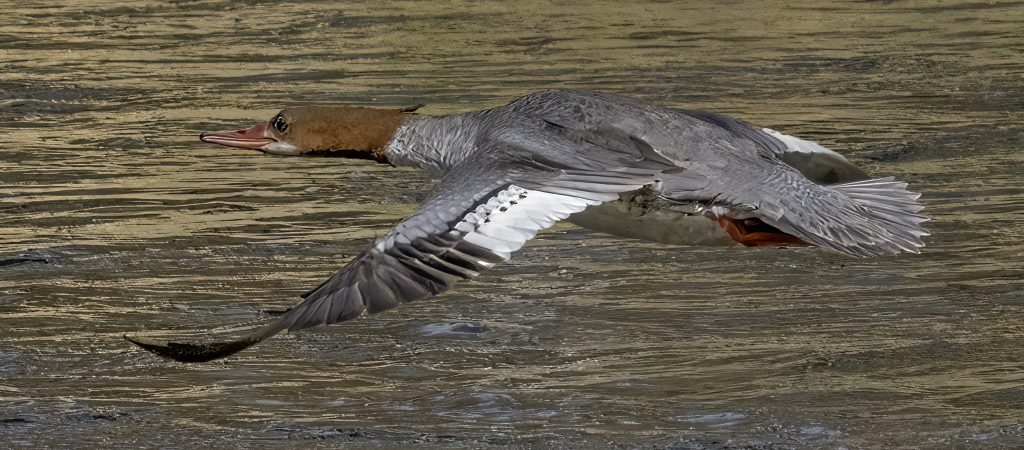
Richard Seeley/Courtesy photo
In the arid West, only 1-2% of the landscape is wetland habitat — yet 80% of native wildlife species depend on wetlands during some part of their life. Nearly 50% of breeding-bird species in the Western U.S. nest only in riparian wetland habitat. But across North America, wetlands continue to be lost. A 2024 study by the U.S. Fish and Wildlife Service showed that over half of wetlands in the lower 48 states are gone, and loss rates have increased by 50% since 2009.
Commensurate with wetlands loss is loss of “ecosystem services” that wetlands provide, including increased water storage and improved water quality; groundwater recharge; carbon storage and climate-warming mitigation; creating forest-fire breaks that provide refugia for wildlife during forest fires; and increased habitat diversity and biodiversity that increase ecosystem resilience.
With loss of wildlife habitat also goes loss of the wild species that depend on that habitat. Across North America, birds are in severe decline, primarily due to habitat loss. A study published in Science magazine in 2019 documented that in North America there were almost 3 billion fewer birds than 50 years ago. NABCI’s 2025 State of the Birds Report documents continued declines. Birds are telling us that the habitats they need are vanishing, and that the habitats and ecosystem services they provide humans are also vanishing.
As discussed in Part 1 of this two-part series, beavers create wetlands and wetlands are hotspots of bird diversity. Returning beavers to their historic habitat helps restore wetlands and the benefits they bring to both wild and human life.
The near extirpation of beaver from trapping and hunting, combined with damage to riparian vegetation by native and non-native ungulate overgrazing, has resulted in widespread loss of wetlands across the west. Without willows there are no beavers. Without beavers there’s inadequate water to support wetland floodplains, and streams tend to downcut and erode into gullies, becoming entrenched within their own banks. Where streams are downcut, the riparian zone is generally too narrow to support enough willow to provide beavers with sufficient food and dam-building material.
As previously explained, this seeming impasse may have a solution in beaver dam analogs. Beaver dam analogs mimic beaver dams by raising the water and reconnecting streams with their floodplains. Willow may then be able to repopulate their floodplains, enticing beavers to return to their historic habitat with the food and dam-building materials they need to survive.
Bird communities are excellent indicators of ecosystem health. Bird species such as willow flycatchers and Wilson’s warblers only survive in natural, healthy riparian habitat. Other bird species, such as magpies and crows, can tolerate, and even thrive, in human-disturbed habitats. Evaluating the community of birds (what species and how many individuals of each species are in the community), can provide a good assessment of habitat health. Over time, changes in habitat health will be reflected in changes in the bird community.
In coming years, additional breeding-bird surveys of the stream my colleagues and I surveyed in June will help determine if beaver dam analog installation can aid in beaver recovery and the restoration of healthy riparian habitat that enables recovery of sensitive bird species and healthy ecosystems.
Beavers evolved with the arid West. What an amazing concept that a semi-aquatic mammal could expand into high desert, creating an oasis for life that depends on abundant, clean water – cutthroat trout, boreal toads, waterfowl. Beavers’ historic dramatic decline from hunting and trapping reverberates throughout the community of life. Restoration of the naturally occurring extent of beavers in the arid west will help restore stream flows and the wildlife that depends on the water that beavers conserve.
Delia Malone is the ecologist and board president for ColoradoWild.








Support Local Journalism
Support Local Journalism
As a Summit Daily News reader, you make our work possible.
Summit Daily is embarking on a multiyear project to digitize its archives going back to 1989 and make them available to the public in partnership with the Colorado Historic Newspapers Collection. The full project is expected to cost about $165,000. All donations made in 2023 will go directly toward this project.
Every contribution, no matter the size, will make a difference.