Colorado Parks and Wildlife shares results of its 2025 boat inspections, sampling as it battles invasive zebra mussels
With eradication nearly impossible, preventing the spread of zebra mussels remains the top management option for the invasive species

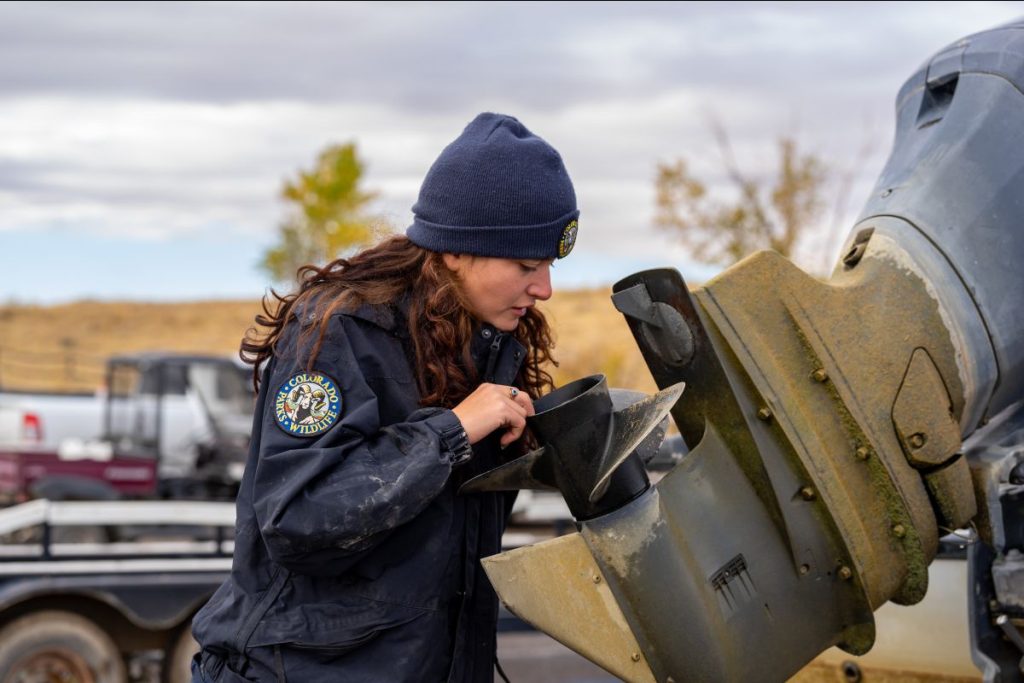
Rachael Gonzales/Colorado Parks and Wildlife
While invasive zebra mussels were first detected in Colorado in 2022, increased sampling and inspections led to additional discoveries across the Western Slope in 2025, with the species found throughout the Colorado River system.
In October, multiple discoveries along the Colorado River officially marked the waterway as infested by the invasive species. Four other bodies of water now carry this designation on the Western Slope.
“While the findings were no doubt disappointing, they are a direct result of the increased capacity within the (Aquatic Nuisance Species) Program,” said Robert Walters, Colorado Parks and Wildlife’s invasive species program manager, in a news release. “This includes the hiring of new full-time employees, physical expansion of the (Aquatic Nuisance Species) laboratory in Denver, and the use of cutting-edge technologies such as environmental DNA detection techniques.”
Zebra mussels pose a significant threat to water infrastructure and ecosystems.
The invasive species reproduces rapidly and in large quantities. A single zebra mussel can produce up to 30,000 veligers — the species’ free-floating larvae — in a single spawning event and, spawning year-round, up to 1 million in a year. As they multiply, they root and anchor to surfaces, which, with their large numbers, can clog and damage infrastructure as well as threaten entire food chains.
Complete eradication of zebra mussels from water systems has proven nearly impossible in Colorado and other states — not only because they can spread rapidly, but also because it is difficult to target a single invasive species without affecting the entire river and aquatic ecosystem — making prevention and detection paramount to Colorado Parks and Wildlife’s efforts with the aquatic nuisance species.
In a Feb. 18 news release, the state wildlife agency shared the results of its 2025 watercraft inspections. Parks and Wildlife staff conducted 438,272 inspections, decontaminating 30,039 “high-risk boats that pose a threat to Colorado’s waters.”
These inspections uncovered 136 watercraft that had invasive mussels, according to the agency.
Bodies of water on the Front Range — including Pueblo, Chatfield, Horsetooth and Cherry Creek reservoirs and Boyd Lake — saw the highest volume of inspections, with mussels detected on boats before their launch at each waterway. The agency inspected over 36,000 boats at Highline Lake in Grand Junction, where zebra mussels have been established since 2022. Sixteen of these resulted in the detection of the invasive species prior to boat launch.
According to Rachael Gonzalez, a spokesperson for Parks and Wildlife, information from these detections can help track where mussels are traveling and where they may be established. Of the 16 boats with mussels in 2025, 15 traveled from Lake Powell and one from Michigan — both of which have established populations of zebra mussels.
Any boat found with mussels or any other potentially invasive species was required to go through a mandatory decontamination before launching.
In addition to conducting inspections at bodies of water, a 2021 House Bill set up Parks and Wildlife to conduct more robust mandatory roadside boat inspections at four Colorado ports of entry in Loma, Trinidad, Fort Morgan and Limon. In 2025, it looked at just under 5,300 watercrafts, decontaminated around 1,280 and intercepted 60 vessels that had an invasive species.
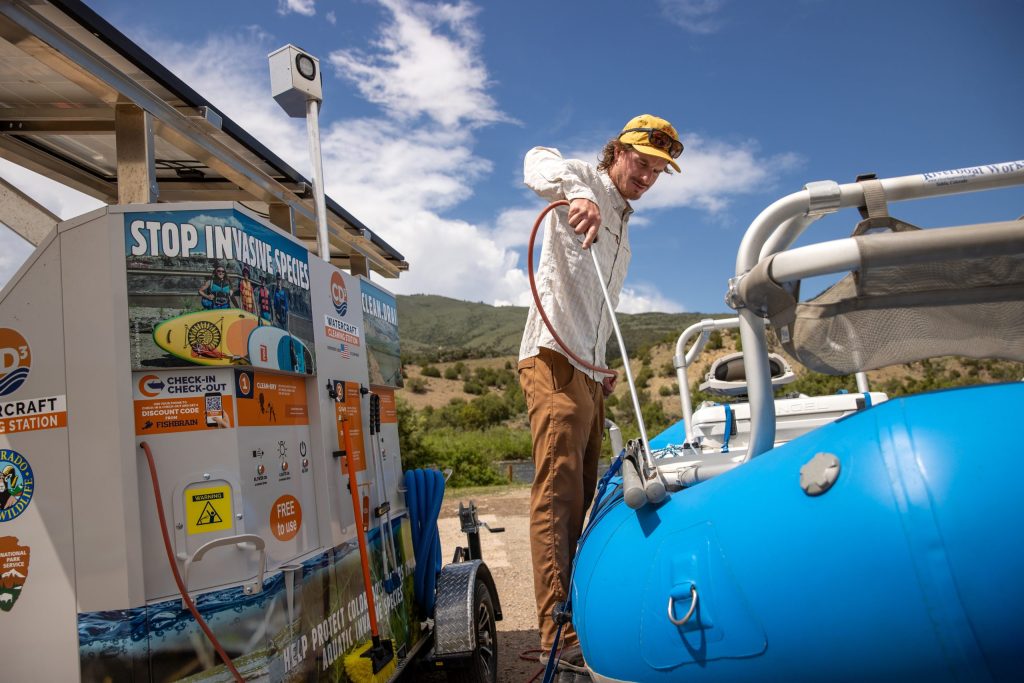
While zebra mussels are a growing concern, Parks and Wildlife is also tracking other aquatic nuisance species in Colorado including New Zealand mudsnails, which it detected in the Roaring Fork River in October.
Alongside its inspection efforts, Parks and Wildlife ramped up its sampling across Western Colorado last year. From April to October, the agency conducted weekly shoreline and water sampling from the Colorado River headwaters in Granby to the Utah border. In total, the agency staff sampled 227 standing and 41 flowing waters and processed just over 2,200 samples at its Denver lab. This included a single-day sampling effort in October, where over 200 miles of river was tested.
Additionally sampling led to a significant discovery of zebra mussels at a private lake in Western Eagle County — which some agency staff have speculated could be the source of the species in the Colorado River system — and detections in Mack Mesa Lake, East and West Lake, the Colorado RIver near Rifle, Glenwood Canyon and Grand Junction
The mussels have a continued presence in Highline Lake, despite the agency’s attempts to eliminate the invasive species through the use of molluscide and by draining the lake. This year, Parks and Wildlife is planning to install a decontamination dip tank, which allows for a quicker cleanup of boats as they exit the lake.
For all boats, watercraft and fishing equipment, cleaning, draining and drying is the best way to prevent the spread of not only zebra mussels, but all aquatic nuisance species. The agency has installed cleaning stations at popular recreation spots for this purpose.




Support Local Journalism
Support Local Journalism
As a Summit Daily News reader, you make our work possible.
Summit Daily is embarking on a multiyear project to digitize its archives going back to 1989 and make them available to the public in partnership with the Colorado Historic Newspapers Collection. The full project is expected to cost about $165,000. All donations made in 2023 will go directly toward this project.
Every contribution, no matter the size, will make a difference.