Summit County outdoor coalition releases plan to improve trails, recreation access, transportation, and more
The Summit County Outdoor Coalition’s strategic conservation and recreation plan looks to balance tourism pressure with environmental health

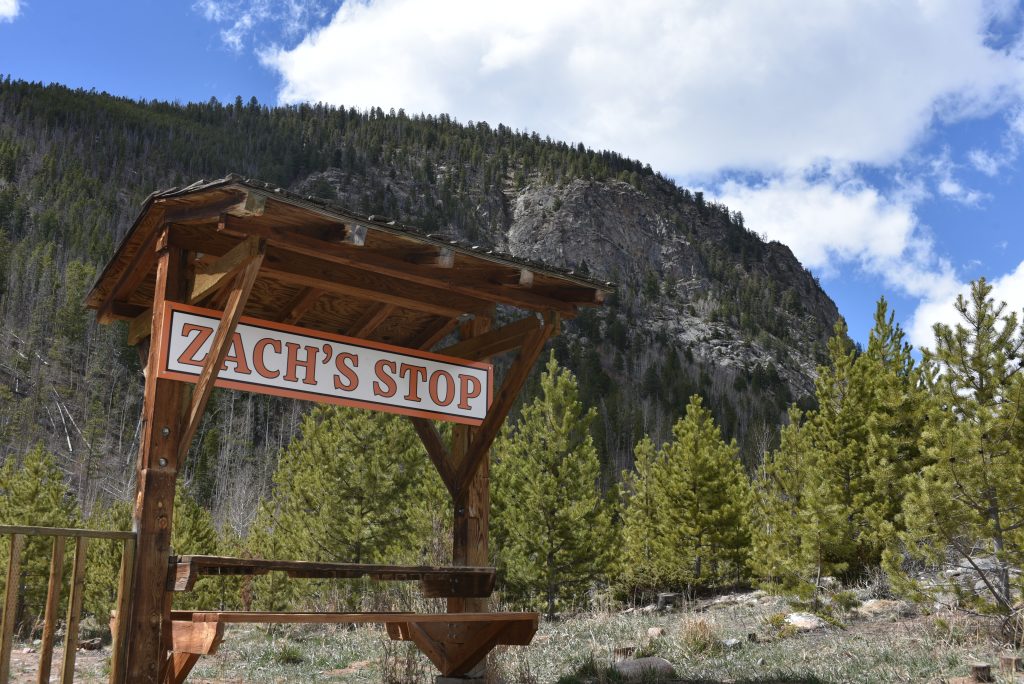
Kyle McCabe/Summit Daily News
Last month, the Summit County Outdoor Coalition adopted its first-ever strategic conservation and recreation plan, outlining initiatives that would improve wildlife education, expand public transportation to trailheads and reduce wildfire risk across the county.
The coalition — which partners with 24 federal, state and local agencies for conservation work and outdoors programs — divided the plan into two main goals: to balance ecosystem health with recreation pressure and to improve recreation access.
Nico Cruz, a member of the coalition’s executive committee and the town of Frisco’s sustainability coordinator, says that the plan came out of a “practical need” to bring various environmental stakeholders together to work on these goals.
“There’s many strong futures around the county, but they sit in different agencies, towns, nonprofit jurisdictions,” he said. “This plan helped partners have a shared playbook, work together, coordinate priorities, avoid duplication and ultimately pursue funding.”
Much of this need, he explained, comes from conflicting pressures upon the county — to remain a world-class tourism destination driven by the outdoors while also protecting the natural resources and public land that visitors flock to see.
“Recreation — it’s part of our identity, our economy,” he said. “But high use creates pressure on trails, trailheads, wildlife, watersheds. So we need to be careful on how we manage this recreation.”
One of the plans solutions is to expand upon the existing Transit to Trails service, which allows visitors to use free Summit Stage buses to access popular recreation sites, including 10 trailheads within half a mile of a bus stop.
“By increasing ridership, this initiative offers a cost-effective way to reduce parking demand, alleviate congestion and expand access for residents, seasonal workers and visitors without vehicles,” the plan says.
The Summit County Outdoor Coalition says it will measure the success of this project through multiple datapoints: the number of people who use the program to access trailheads, the number of trailheads accessible through the program and the overall reduction in parking and vehicles at transit-accessible trails.
The Transit to Trails program falls within the first of four categories that the plan divides initiatives into: existing programs to be expanded upon, new programs that are ready for implementation, new programs that the coalition and its partners are currently planning, and programs in the early “concept-development” stage.
One of the plans deemed “ready for implementation” is the Frisco Backyard Project, a U.S. Forest Service and Frisco-led initiative that, when completed, would reduce wildfire risk on 1,500 acres of public land near Frisco.
But fire-risk mitigation isn’t the project’s only focus. More than 1,500 additional acres of forest will be maintained for recreational use and overall health.
“It’s going to bring together forest health, wildfire risk reduction and recreation management for more than 3,000 acres on very heavily used land, so it’s going to have an incredibly positive impact on our area,” Cruz said.
Success will be measured with markers like total number of acres treated, miles of trails improved, number of trailheads improved and funding secured for implementation of the project.
Also ready to implement is the Summit County Outdoor Coalition Wildlife Coordination Workgroup, led by Colorado Parks and Wildlife. A similar wildlife coordination group has previously existed, but stopped meeting due to staffing issues. During the writing of the strategic plan, the coalition says it “identified the need to re-establish the group.”
The new group would “coordinate wildlife-related projects and communications across Summit County,” including high-priorities like “lynx habitat protection, bat roost and mine safety, bear-proof waste strategies and boreal toad recovery efforts.”
Included in the plan’s lesser-developed conceptual stage is an initiative to develop a trail connection between the town of Silverthorne and the Frisco North Ten Mile Creek Trailhead, located near Interstate 70 Exit 201.
“The project would support non-motorized, soft-surface commuting between towns and neighborhoods while improving access to recreation areas including Lily Pad Lake, Eagles Nest Wilderness, the Ten Mile Recpath and multiple trailheads,” the plan says. “While still in early development, this project represents a high-impact, long-term investment in regional connectivity.”
Funding for the plan will come from sources as varied as the projects themselves. The coalition has applied for a $2.5 million grant through the Regional Partnership Initiative — offered by Colorado Parks and Wildlife and Great Outdoors Colorado — to fund certain priority-level projects, according to Cruz.
“What the plan was able to do and identify were some existing projects that were around the community that had already gone through the planning process and environmental assessment and they were shovel-ready,” he said. “The plan identified this and prioritized them to apply for the regional partnership initiative grant.”
Cruz said that a number of other organizations pledged to provide funding as well, including Denver Water Board and the U.S. Forest Service.
“It’s multiple organizations contributing to the success of the project,” Cruz said.
The conservation and recreation plan, he explained, is just the beginning for the many initiatives that it compiles, allowing them to seek further funding and encourage collaboration between the many entities involved in planning and implementation.
“It feels like success, but is not the finish line,” Cruz said. “I feel it’s more like a starting point for our coordinated implementation and all these great projects that were shown in the plan.”







Support Local Journalism
Support Local Journalism
As a Summit Daily News reader, you make our work possible.
Summit Daily is embarking on a multiyear project to digitize its archives going back to 1989 and make them available to the public in partnership with the Colorado Historic Newspapers Collection. The full project is expected to cost about $165,000. All donations made in 2023 will go directly toward this project.
Every contribution, no matter the size, will make a difference.