Trump administration kills Endangered Species Act rule, in move wildlife advocates say will bring more species to ‘brink of extinction’
The U.S. Fish and Wildlife Service has rescinded a definition of harm used by the agency since 1975, which includes habitat destruction as a prohibited method of take under the act

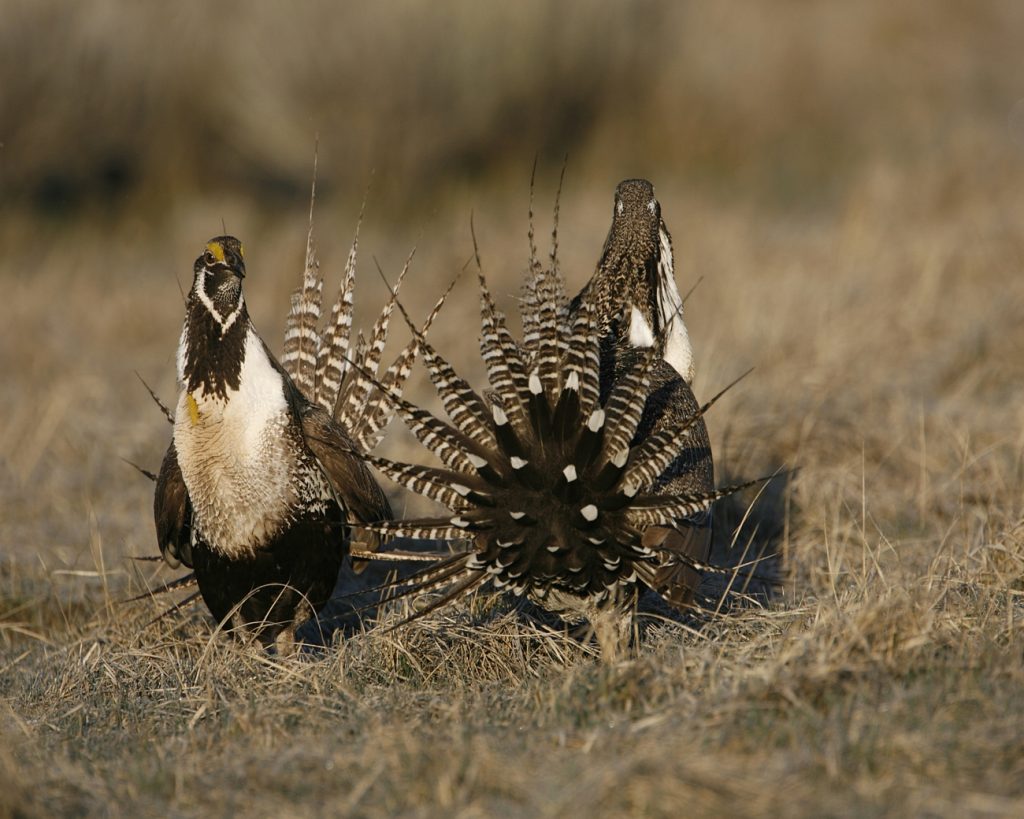
Gary Kramer/U.S. Fish and Wildlife Service
The U.S. Fish and Wildlife Service has officially killed a long-standing provision of the Endangered Species Act in the name of government efficiency and deregulation. The move has drawn criticism and a lawsuit from environmental and wildlife advocates who argue it significantly weakens the act and could lead to widespread habitat destruction and the extinction of protected species.
On July 14, the federal agency published a final rule rescinding the definition of “harm” from the Endangered Species Act.
It’s a move that President Donald Trump’s administration has said will return the act to its “actual text and original intent” and end “years of federal overreach.”
“For years, federal agencies abused the ESA to obstruct lawful land use and burden American families and businesses,” said U.S. Department of the Interior Secretary Doug Burgum in a news release. “That approach turned routine activity into a regulatory trap, drove up costs that impacted people’s lives, and expanded federal authority beyond what Congress intended. This action restores common sense, respects private property, provides much-needed certainty for landowners and follows the statute Congress actually passed.”
In retracting the definition of harm — which protects against the disruption or destruction of habitat utilized by endangered and protected species — environmental and wildlife advocacy groups warn it could push more wildlife to the brink of extinction.
“Habitat destruction is the No. 1 threat to endangered species,” said Alli Henderson, the Southern Rockies director and senior attorney for the Center for Biological Diversity. “Tossing out the definition would be a death sentence for beloved wildlife in Colorado and beyond. It would still be illegal to kill an endangered animal, but the Trump administration wants to allow any and all destruction of everything the animal needs to survive.”
The Center for Biological Diversity and several conservation groups filed a lawsuit on July 14 against the Trump administration over the rule change. The lawsuit alleges that the move is illegal because harming species through habitat destruction is prohibited by the law’s statutory language and goes against legal precedents.
A history of ‘harm’ and the Endangered Species Act
The Endangered Species Act was passed by Congress in 1973 in response to declining populations of plants and animals as human and economic development increased. It was designed to protect and recover species on the brink of extinction.
One of the act’s primary methods of protection is barring the “take” of any species protected by the federal law. Take is broadly defined in the act as any action or attempt “to harass, harm, pursue, hunt, shoot, wound, kill, trap, capture or collect.”
While harm was included in this initial definition of take, two years after the act was passed, the Fish and Wildlife Service adopted a definition of “harm” that included habitat destruction or degradation as part of the interpretation.
Dan Gibbs, executive director of the Colorado Department of Natural Resources, wrote in a May 2025 comment on the initial proposed rule that this definition “has not only helped combat the leading threat to imperiled species, but it has also shaped the development of state wildlife laws and conservation efforts.”
“The Services’ longstanding view that ‘harm’ includes significant habitat modification that actually kills or injures wildlife furthers this purpose [of the ESA] by giving all people — not just federal agencies subject to — an incentive to avoid or minimize habitat destruction that could foreseeably kill or injure listed species,” Gibbs wrote.
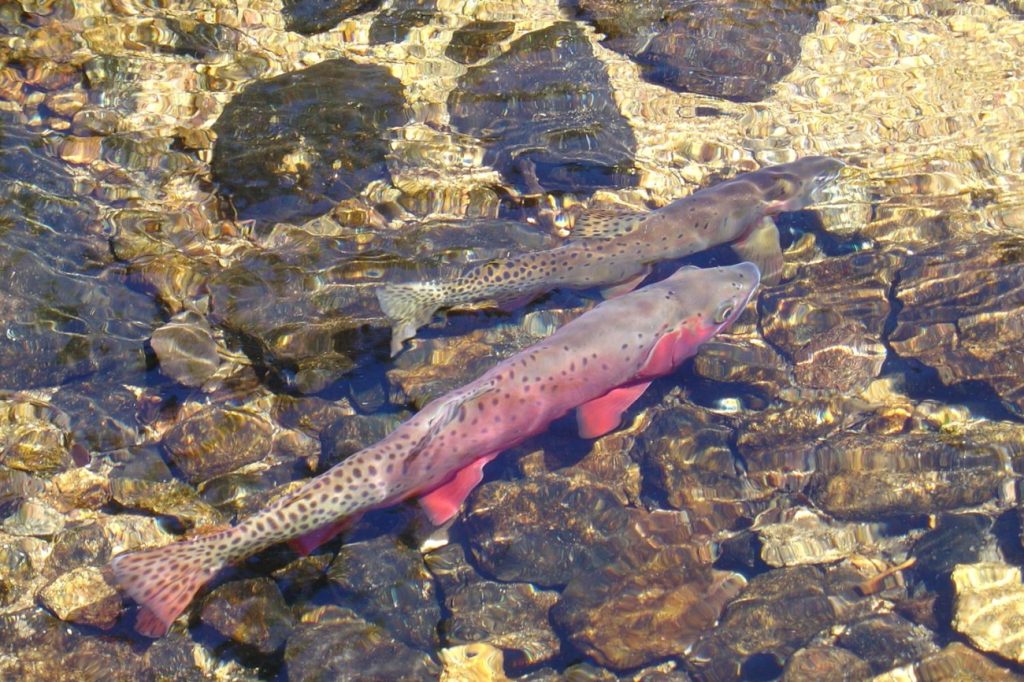
In its rationale for rescinding the definition of harm, the Fish and Wildlife Service argues that this interpretation went too far by barring activities that did not directly harm an animal — which it claims is the original intent of the Endangered Species Act.
The federal agency’s reasoning cites conservative Supreme Court Justice Antonin Scalia’s dissent of the court’s 1995 decision in Babbitt v. Sweet Home. The Supreme Court ruled that the destruction of habitat can be considered illegal take of an endangered species. Scalia disagreed, arguing that the Endangered Species Act was not meant to penalize indirect habitat changes and that it was a case of government overregulation.
“Given that ‘take’ is defined in the statute, and that the role and meaning of the term ‘harm’ within the larger definition of ‘take’ was expertly explicated by Justice Scalia in his Sweet Home dissent — an interpretation which we have herein adopted — we find that maintaining a freestanding definition of “harm” is unnecessary,” according to Fish and Wildlife’s federal register posting.
The reversal of the Supreme Court’s majority has raised concerns among those opposing the rule change.
“By ignoring this precedent, the Trump administration is opening the door for industries of all kinds to destroy the natural world and drive wildlife to extinction,” Henderson said. “There’s no question that destroying the places endangered species live will harm them. Losing these species and their habitat will harm us, too.”
In his May 2025 letter, Gibbs wrote that the Sweet Home majority already explained why Scalia’s dissent “represents an incorrect view of the law.”
The majority, he wrote, concluded that “‘harm’ means ‘to cause hurt or damage to: injure.’ This definition, the majority correctly observed, ‘naturally encompasses habitat modification that results in actual injury or death to members of an endangered or threatened species.'”
A change that will hurt the species the law was designed to protect
Environmental advocates argue that the move to rescind the definition is actually counterproductive to the purpose of the Endangered Species Act and is part of a broader effort to weaken the law overall.
In a May 2025 interview, when the administration first proposed rescinding the definition of harm, Jess Beaulieu, an attorney and manager of the University of Denver’s Animal Law Program and a Colorado Parks and Wildlife commissioner, said the Endangered Species Act is about recovery and survival and getting species off the list.
“Survival is only as good as what goes on with your recovery efforts, and a lot of recovery comes with habitats,” she said.
Beaulieu suggested that the real goal of this, as well as other reforms proposed by House Republicans in the pending Endangered Species Act Amendments Act of 2025, is to “open up channels for development” and private interests.
“I think the ultimate goal is putting the ESA in state hands,” she said. “That opens up channels again for development, for habitat destruction, for private interests to rule. … While some states, I think, have a genuine interest in wildlife conservation and in protecting species, I can’t say the same for other states.”
Repealing the definition will “push more of our wildlife to the brink of extinction,” Henderson said.
“Without habitat, there’s no shelter or cover, food and other necessities for wildlife to live and reproduce. Rather than reversing the trend of biodiversity loss, these losses would continue, and maybe even ramp up,” she said. “When imperiled species lose their habitat and go extinct, it’s not an isolated impact. It reverberates through the ecosystem, and extinction is forever.”
At the Colorado Parks and Wildlife’s July 16 meeting, Reid DeWalt, the agency’s deputy director, said it was “still analyzing the impacts; we’re definitely concerned about it.”
“Habitat is everything, and a law that doesn’t protect habitat is probably gonna be very ineffective,” said Jay Tutchton, chair of the Parks and Wildlife Commission. “But I did want to point out one of the remedies to the federal government walking away from what I feel is its responsibilities to endangered species is state law and our state Endangered Species Act.”










Support Local Journalism
Support Local Journalism
As a Summit Daily News reader, you make our work possible.
Summit Daily is embarking on a multiyear project to digitize its archives going back to 1989 and make them available to the public in partnership with the Colorado Historic Newspapers Collection. The full project is expected to cost about $165,000. All donations made in 2023 will go directly toward this project.
Every contribution, no matter the size, will make a difference.