Colorado AG, environmental groups challenge Trump administration order requiring Craig coal plant to remain in operation
In separate filings, Attorney General Phil Weiser and a coalition of environmental advocates claim the U.S. Energy Department provided no evidence of an ‘energy emergency,’ which it used to justify keeping the coal plant online

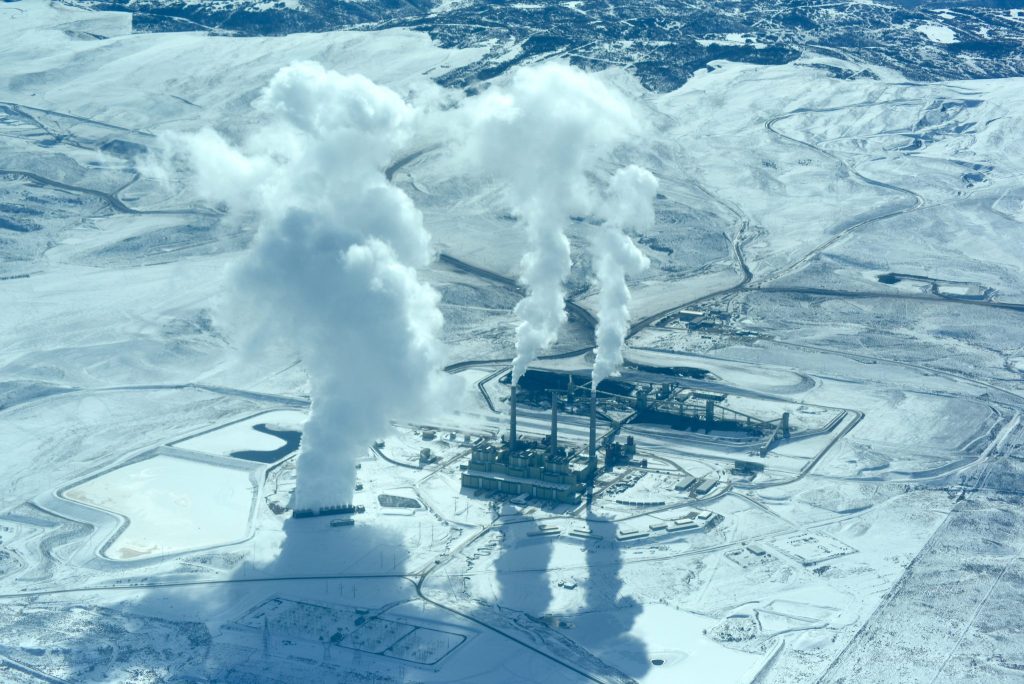
Dylan Anderson/Steamboat Pilot & Today archive
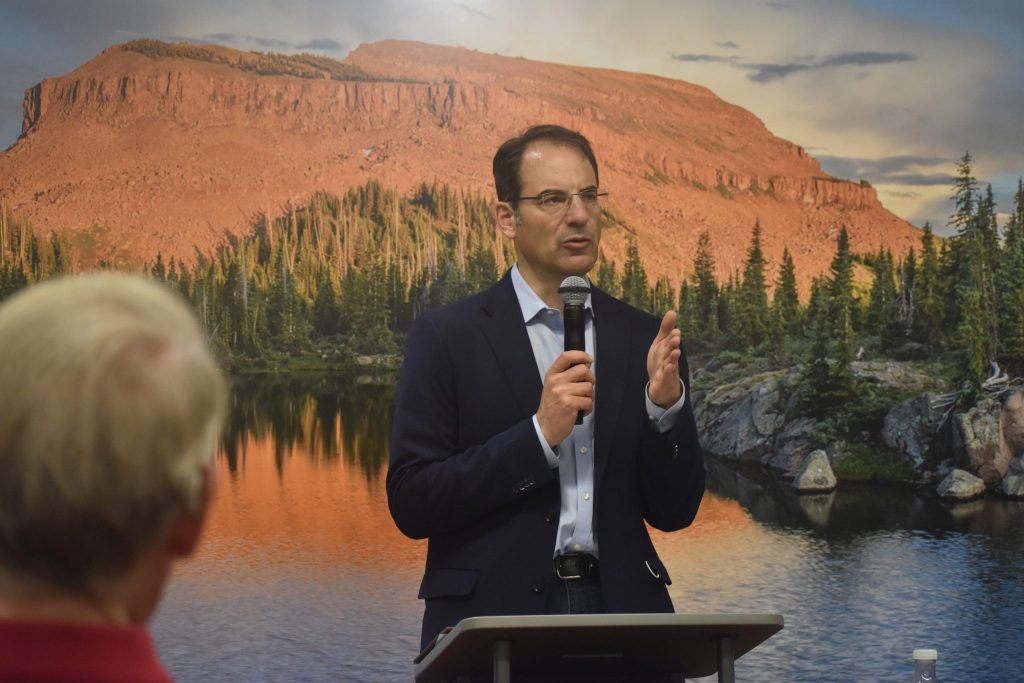
Colorado Attorney General Phil Weiser and a coalition of environmental groups on Wednesday asked the U.S. Department of Energy to rescind its recent order requiring a coal-burning power plant in northwest Colorado to remain operational one day before it was scheduled to close.
The aging Craig Station Unit 1 plant in Moffat County was slated to shut down at the end of 2025, but Energy Secretary Chris Wright issued an emergency order on Dec. 30 extending the plant’s life to March 30, and possibly later.
The emergency order was issued under section 202(c) of the Federal Power Act, which allows the Energy Department to keep power plants running during times of crisis, such as war or energy shortages. The move to keep the Craig plant open had been expected for weeks.
Weiser and the coalition of environmental groups, which includes the Sierra Club, Environmental Defense Fund, and Earthjustice — on behalf of GreenLatinos, Vote Solar, and Public Citizen — filed separate challenges with the department over its use of the emergency order, which both filings claim was illegal.
Wright wrote in his emergency order that Colorado and other Western states face an energy “emergency” due to a “shortage of electric energy, a shortage of facilities for the generation of electric energy, and other causes.”
The closure of coal-burning plants “could lead to the loss of power to homes,” Wright’s order states, as well as “businesses in the areas that may be affected by curtailments or power outages, presenting a risk to public health and safety.”
The Trump administration has used similar justifications under the Federal Power Act to keep open coal plants in Michigan and Washington, as well as an oil plant in Pennsylvania.
Weiser, in a press release, said there is “no evidence of an energy emergency that would require keeping Craig Unit 1 open,” adding that the decision will “result in millions of dollars of unnecessary costs that could be passed on to rural households and businesses already struggling with high electricity bills.”
In their own press release, leaders from the environmental groups said that forcing the Craig plant to stay operational will both increase utility costs and negatively impact the environment. They said the emergency order also goes against the wishes of the plant’s owners.
“Colorado communities, regulators, and utilities spent years planning a lawful, cost-effective transition away from coal,” said Vote Solar Regulatory Director for the West Kate Bowman. “Overriding that process at the eleventh hour erodes public trust and leaves families paying more for decisions made without their input.”
Craig Station Unit 1 is co-owned by Tri-State Generation and Transmission Association, a utility cooperative, alongside other energy providers, including Xcel Energy, the Platte River Power Authority and PacifiCorp.
Tri-State originally decided to close the more than 40-year-old plant by the end of 2025 as part of its move to more environmentally friendly energy sources. It plans to close Craig Station’s two other coal-burning plants by 2028.
The effort is partly driven by a state law that requires large-scale utility providers to reach 100% renewable electrical energy by 2050. Tri-State is also looking to close its plants and transition to other energy sources for economic reasons.
In a statement released in response to the emergency order in late December, Tri-State said Craig Station Unit 1 had been closed down even before the Dec. 30 order due to “a mechanical failure of a valve.”
Tri-State added that keeping the plant open “will likely require additional investments in operations, repairs, maintenance and, potentially, fuel supply, all factors increasing costs.”
Tri-State CEO Duane Highley said in a statement at the time that Tri-State ratepayers will “bear the costs of compliance with this order unless we can identify a method to share costs with those in the region. There is not a clear path for doing so, but we will continue to evaluate our options.”
Both Wesier and the coalition of environmental groups, in their filing with the Energy Department, claim the department misused the Federal Power Act when it issued its emergency order and have presented no evidence of an energy emergency.
The department must respond to the filing within 30 days. Environmental groups said they will challenge the order in court if the department declines to respond or denies their request to lift the order.
The fight over the future of the Craig power station also comes amid the backdrop of the Trump administration’s broader push to support more fossil fuel production.
The U.S. The Environmental Protection Agency earlier this month rejected Colorado’s latest air-quality plan, saying that it violated federal law by forcing the closure of coal-fired power plants without the consent of plant operators. Gov. Jared Polis and Democratic lawmakers in Congress lambasted that decision.







Support Local Journalism
Support Local Journalism
As a Summit Daily News reader, you make our work possible.
Summit Daily is embarking on a multiyear project to digitize its archives going back to 1989 and make them available to the public in partnership with the Colorado Historic Newspapers Collection. The full project is expected to cost about $165,000. All donations made in 2023 will go directly toward this project.
Every contribution, no matter the size, will make a difference.