When thrifting isn’t thrifty: A look at the market trends making secondhand buying unaffordable
Thrift shops may be mission-driven, but they have bills to pay, too, that are helping drive up the cost of clothing and homegoods
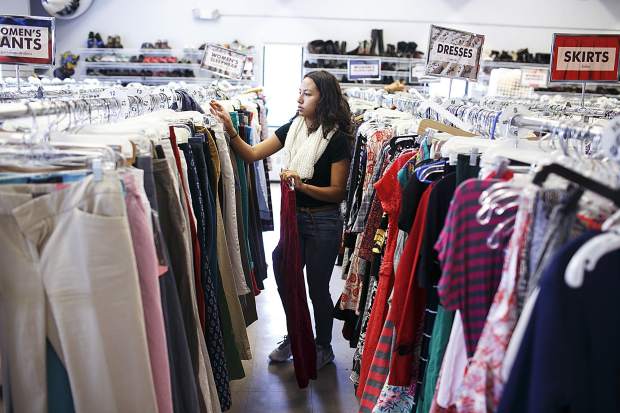
Hugh Carey / Summit Daily archive
Thrift stores used to be known purely for low-priced clothing and home goods. But the market dynamics have shifted as thrifting has become motivated by environmentalism as much as economics. And now an increasing number of shoppers see financial opportunity on the same racks, sifting through clothing and household items to resell on the secondary market. With an increase in the value of secondhand items comes a wave of rising prices, changing the once-emphasized affordability of thrifting, while simultaneously creating potential for income beyond the stores.
As the gap between the top income earners and the bottom widens, thrifting has evolved from an affordable and accessible source of clothing into something that favors those who can afford rising prices.
According to a report by Moody’s Analytics, the U.S. consumers in the top 20% hit multidecade highs in discretionary spending last year while the remaining 80% hit remarkable spending lows as many struggled to afford basic living expenses such as rent. The phenomenon that describes this wealth gap is better known as the “K-shaped economy” which refers to the upward and downward wealth trends for the top and bottom incomes in the U.S.
“The term came out of the pandemic, and it’s kind of interesting because basically 70% of the economy comes from consumer spending,” said University of Colorado professor Shawn Swanson, who specializes in public economics. “So it’s a huge part of what makes the U.S. economy go round, but now it’s the case that the top 10% account for 50% of that consumer spending.”
As it applies to the secondhand clothing industry, economic pressures naturally inflate prices. According to ThredUp’s Resale Report, prices for secondhand clothing have increased by 40% over the past five years. The secondhand retail market increased 14.3% in 2025 to a whopping $56 billion, according to Capital One Shopping research.
Read more from Rue Murray, Grace Moore and Caitlin Alexander at ColoradoSun.com.









Support Local Journalism
Support Local Journalism
As a Summit Daily News reader, you make our work possible.
Summit Daily is embarking on a multiyear project to digitize its archives going back to 1989 and make them available to the public in partnership with the Colorado Historic Newspapers Collection. The full project is expected to cost about $165,000. All donations made in 2023 will go directly toward this project.
Every contribution, no matter the size, will make a difference.