Q&A: Meet the Democratic candidates running to represent Colorado in the US Senate
Incumbent U.S. Sen. John Hickenlooper and state Sen. Julie Gonzales will face off in the June 30 Democratic primary to represent their party in the November general election

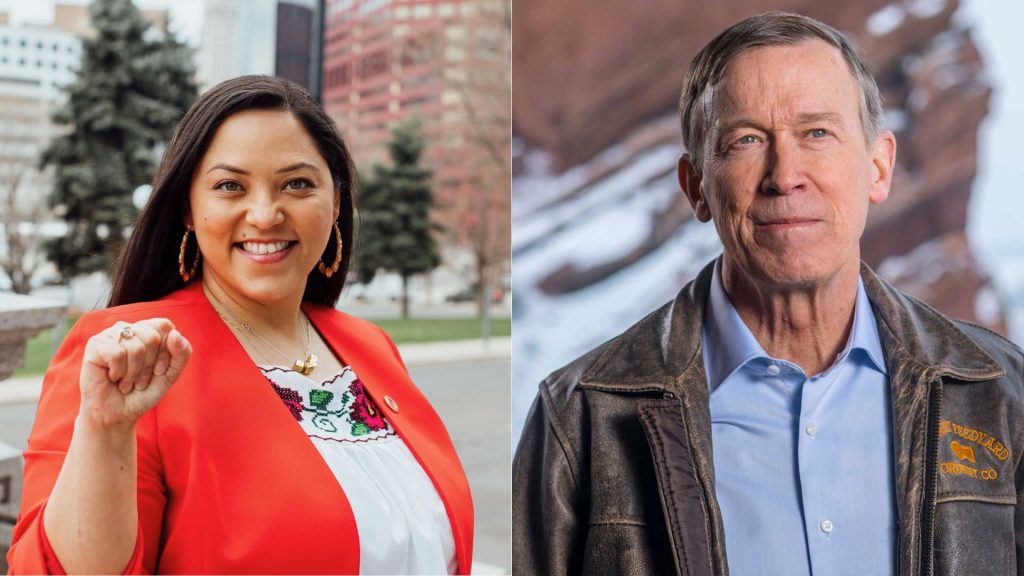
Courtesy photos
Incumbent U.S. Sen. John Hickenlooper and state Sen. Julie Gonzales are running against each other in the June 30 primary for one of Colorado’s two U.S. Senate seats. Hickenlooper — former Colorado governor — is in his first term as U.S. senator. Gonzales is in her second term representing Colorado’s 34th Senate district, located entirely within Denver County.
The Summit Daily asked each candidate five questions about some of the key issues facing Colorado’s Western Slope, including affordability, immigration, water rights and healthcare.
Question 1: Rural ski towns on Colorado’s Western Slope are facing significant cost-of-living challenges that have driven out parts of the local workforce. What federal policies would you support that could bolster affordability in these communities within the next six years?
Gonzales: I would focus federal policy on the costs forcing workers out of mountain communities: housing, healthcare, childcare, transportation and wages. Colorado needs affordable housing driven by community needs, not corporate investors’ profit margins.
In the Senate, I would support expanding HUD funding, community development block grants, first-time homebuyer support, emergency rental assistance and renter protections. I would also take on corporate rent-fixing algorithms, junk fees, predatory landlords and short-term rentals that distort local housing markets. Mountain towns only work when the people who keep them running can afford to live there.
Hickenlooper: There’s no question we’re facing a cost-of-living emergency. The insane cost of housing, especially in mountain towns, is a major culprit. That’s why we fought to bring millions in federal funding for Colorado projects to construct more affordable housing and bring down costs. We passed the most comprehensive housing bill in decades to help make housing more affordable and ban Wall Street banks from dominating the market. We’re fighting to get it signed into law and won’t stop working to bring down costs.
Question 2: Colorado has been the subject of increased federal immigration enforcement within the past year. What role should Congress play when it comes to oversight of federal immigration enforcement, and are there any changes to federal immigration policy you would support?
Gonzales: I’ve organized to defend and advance immigrant rights since long before I ran for office, including as a founding member of United We Dream and as organizing director for the Colorado Immigrant Rights Coalition.
In the Senate, I would fight to abolish ICE and stop funding the deportation machine that allows corporations to profit at every step of the process, and instead create a real pathway to citizenship, restore due process, provide access to legal counsel, protect immigrant workers from exploitation, and ensure respect and due process at every step of the immigration process.
Hickenlooper: First, we need to stop ICE’s violence and lawlessness. We voted against giving a single penny to ICE and helped get Coloradans released from ICE facilities. We’re working to pass our bills to protect schools, hospitals and polling places from immigration raids and to require ICE agents to take off their masks and turn on body cameras. But, our immigration system is fundamentally broken. We need a real pathway to citizenship for DREAMers, TPS recipients and essential workers. We’ve always been a nation of immigrants. We need a system that reflects that legacy.
Question 3: The Colorado River is under unprecedented strain following one of the lowest snowpacks on record in the Rockies. What do you believe is the path forward for water security in Colorado and what steps, if any, would you take to ensure that residents maintain their existing water rights?
Gonzales: Colorado’s long-term water security depends on conservation, drought resilience, watershed restoration and honest planning for a hotter, drier future. Rural communities, agricultural producers, tribal nations and mountain communities cannot be left to absorb the costs of climate inaction alone.
In the Senate, I would support federal investment in water conservation, infrastructure upgrades, forest and watershed health, wildfire mitigation and agricultural efficiency. I would also protect Colorado’s ability to manage its water under existing compacts and water rights frameworks while ensuring federal action includes Western states, local water users, Tribal governments, agricultural communities and impacted residents.
Hickenlooper: Addressing the Colorado River crisis has been one of our top priorities since I was governor. That’s why we convened the Colorado River Caucus in the Senate and fought to secure more than $12 billion in western water funding from our Inflation Reduction Act and our Bipartisan Infrastructure Law.
We’ve delivered millions for Colorado projects, including $40 million for the Shoshone Permanency Project. We’re also leading legislation to help improve ways that we measure snowmelt, support water conservation projects and hire more water project navigators to help Tribes and rural communities secure resources for projects that improve water efficiency.
Question 4: In 2026, Colorado lawmakers made significant cuts to healthcare and Medicaid spending to balance a budget deficit. How would you approach improving the U.S. healthcare system for Coloradans?
Gonzales: Healthcare should not be a privilege, but a human right. Colorado’s Medicaid cuts show why we need federal leadership that protects healthcare funding instead of forcing states to balance budgets on the backs of patients, seniors, people with disabilities, rural hospitals, and working families.
As a U.S. Senator, I’ll fight for Medicare for All, and in the meantime, I’ll take on the insurance and pharmaceutical industries profiting off our pain while pushing policies that bring us closer to universal coverage. We must restore and strengthen Medicaid, Medicare and Affordable Care Act funding while lowering out-of-pocket costs.
Hickenlooper: We are the wealthiest country in the world. Healthcare should be affordable, accessible and universal. But, the Trump administration doesn’t seem to care. We’ve fought the president’s budget bill that gutted Medicaid and the Affordable Care Act to pay for lavish tax cuts for the ultra-wealthy.
We need to restore those cuts and actually get to universal healthcare. That starts with creating a public option and bringing down prices by empowering Medicare to negotiate all drug prices and rooting out fraud and abuse. We won’t stop fighting until every Coloradan has a medical home.
Question 5: Colorado’s Western Slope faces unique challenges and has needs that differ from the population centers on the Front Range. How would you approach representing voters in rural mountain towns?
Gonzales: I would show up consistently, listen directly and treat Western Slope communities as essential partners in policymaking — not as an afterthought once decisions are made on the Front Range. Rural and mountain communities face distinct pressures: housing costs driven by tourism and second-home markets, workforce shortages, clinic access, wildfire risk, water insecurity, transportation gaps, broadband needs and rising costs. I have spent my career bringing impacted communities to the table. That same approach would guide how I represent every part of Colorado.
Hickenlooper: Since I was governor, we’ve always prioritized spending time listening to rural Colorado to hear how we can best help. In the Senate, I take every chance I get — over the weekends and when the Senate isn’t voting — to get to rural towns.
No matter where you are, people feel like they can’t keep up with the cost-of-living emergency. People want better access to affordable healthcare, childcare, housing and fast, reliable internet. That’s why we fought to secure millions to bring reliable, affordable, high-speed internet to every home in Colorado. We’re fighting to make sure where you live doesn’t determine if you live by investing in rural hospitals and improving telehealth. We’re working to make sure rural communities have the water they need to thrive.
The winner of Colorado’s U.S. Senate Democratic primary will face Republican candidate Sen. Mark Baisley in the November general election. Baisley, a member of the Colorado State Senate representing District 4, is running unopposed in his party.
Ballots for the June 30 Colorado primary were mailed to voters starting Monday, June 8. To check your voter registration status, visit GoVoteColorado.gov.








Support Local Journalism
Support Local Journalism
As a Summit Daily News reader, you make our work possible.
Summit Daily is embarking on a multiyear project to digitize its archives going back to 1989 and make them available to the public in partnership with the Colorado Historic Newspapers Collection. The full project is expected to cost about $165,000. All donations made in 2023 will go directly toward this project.
Every contribution, no matter the size, will make a difference.