Get Wild: The pollinators of Summit County
Get Wild
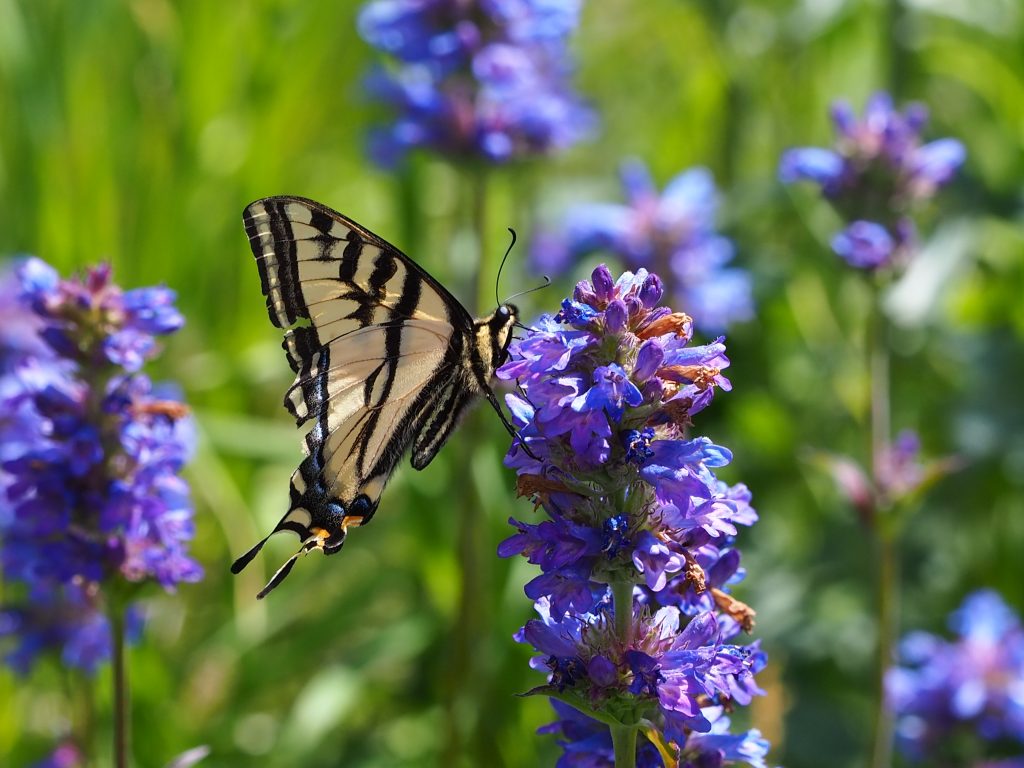
Elaine Collins/Courtesy photo
On a cool June morning, before the meadow warms, you might find a bumblebee queen the size of your thumb tip, her fur dusted with pollen, bumbling low through the grass. She is house hunting after a winter asleep under a few inches of soil. What amazes me is that she can fly at all in that chill. She shivers to warm herself, her body buzzing in place, and that is how she gets an early start on cool mornings while other insects are still grounded.
Pollinator Week is June 22-28. These small fliers are a big reason we have wildflowers in our meadows and much of the food on our tables. Let me take you up the mountain, from the meadows to above treeline.
When most of us picture a pollinator, we picture a honeybee. But honeybees came from Europe in the early 1600s, and the bees doing the real work up here are native. Colorado has more than 900 native bee species, a remarkable number for one state.
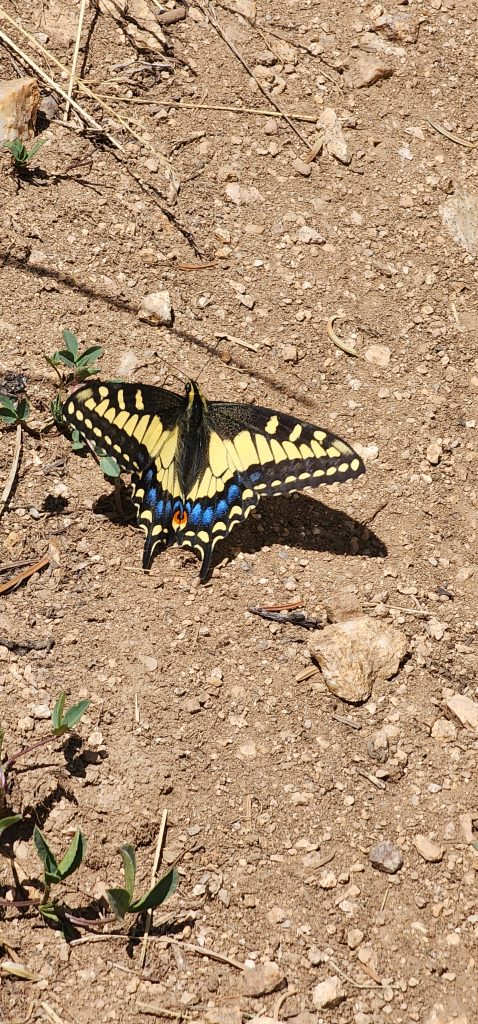
The high meadows are where it really comes alive. Bumblebees are everywhere, along with mining bees, sweat bees and butterflies. Watch a sunny slope and you may spot a swallowtail working the nectar, in no hurry at all. About 70% of our native bees nest in the ground, digging little burrows in bare soil. Up here too, the broad-tailed hummingbird is a true pollinator, the primary pollinator of scarlet gilia, the red tubular wildflower it flies up from Mexico to find each summer. Not every bee is thriving, though. The western bumblebee was once one of the most common in the West, and its numbers have fallen sharply in recent decades.
Keep climbing, above treeline into the Alpine, and the bees give way. Here comes the surprise. Flies do most of the pollinating up top. When the weather turns chilly and breezy, the bumblebees stop flying and the flies keep going. One researcher counted 83 fly species visiting flowers above 9,900 feet in western Colorado. Some Alpine flowers have leaned into it. American bistort, nicknamed miner’s socks, smells like something dead, because a foul scent pulls in more flies than a sweet one ever could. A few tough, long-tongued bumblebees still make it up there, reaching deep into flowers like the Alpine skypilot.
The work does not stop when the sun goes down. Our state flower, the blue columbine, is visited by bumblebees through the day, and at dusk the white-lined sphinx takes over. This big hawk moth hovers like a hummingbird, probing the pale flowers with a long proboscis as the light fades.
So how do we help? Grow native nectar plants, in your beds or in pots on the deck. Columbine, blue flax, penstemon, blanketflower and yarrow all do well at our elevation. Leave a bare patch of ground for the ground-nesting bees. Mow less. Skip the pesticides. The native plant berm at the Breckenridge Alpine Garden shows what this looks like in the ground.
The wildflower bloom is typically in July. Take a hike and look close. That queen from June will have a colony going by then, her daughters out in the same meadows, hummingbirds and swallowtails and hawk moths working alongside them. Celebrate Pollinator Week all summer, and then come walk the meadows in full bloom at Breckenridge Wildflower Week, July 2-12. It is worth a few minutes to notice these pollinators and a season of small choices to keep them flying.
Jason Auerbach is a volunteer wilderness ranger with Eagle Summit Wilderness Alliance and a volunteer ranger patroller with the Friends of the Dillon Ranger District.







Support Local Journalism
Support Local Journalism
As a Summit Daily News reader, you make our work possible.
Summit Daily is embarking on a multiyear project to digitize its archives going back to 1989 and make them available to the public in partnership with the Colorado Historic Newspapers Collection. The full project is expected to cost about $165,000. All donations made in 2023 will go directly toward this project.
Every contribution, no matter the size, will make a difference.