Colorado River, public lands reopen as Snyder Fire containment increases
Some closures, Stage 2 Fire Restrictions remain in place in northwest Colorado and where the wildfire burned outside of Grand Junction

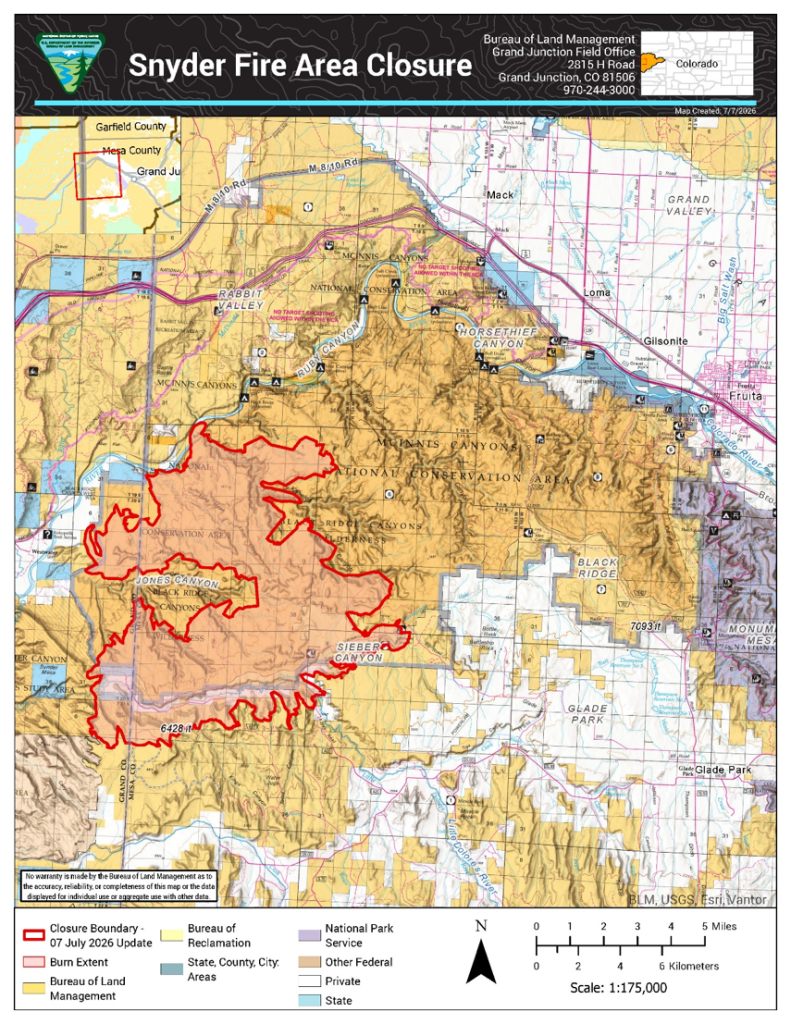
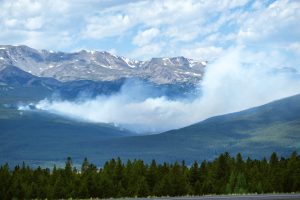
Bureau of Land Management/Courtesy Photo
State and federal agencies are starting to reopen public lands, state wildlife areas and a segment of the Colorado River that were closed in light of the Snyder Fire in Mesa County.
Stage 2 fire restrictions — banning all open fire or flames, including charcoal grills and wood-burning stoves — remain in effect as extreme fire danger, spurred on by hot and dry conditions, persists across the region.
The Snyder Fire started on Friday, June 26, when several smaller fires burning on the Colorado-Utah border combined. As of July 7, the fire was 98% contained after burning over 30,200 acres and killing three wildland firefighters.
With fire activity decreasing and containment increasing, Colorado Parks and Wildlife and the Bureau of Land Management shared their plans Tuesday to reopen lands impacted by the wildfire.
Parks and Wildlife said in a news release that it, alongside the Bureau of Land Management, had lifted the closure for public access and downstream recreation on the Colorado River, starting at the James M. Robb-Colorado River State Park in Fruita and extending to the Utah state line. It also reopened the boat ramp at the Fruita section of the James M. Robb-Colorado River State Park in Fruita to downstream traffic.
The state agency’s Horsethief State Wildlife Area in Fruita and the Loma Boat Launch State Wildlife Area also reopened.
The BLM said in a news release that all lands within the perimeter of the Snyder Fire burn area remain closed to ensure public and firefighter safety.
“The burned landscape — including vegetation — remains dynamic and unpredictable as it naturally recovers from the fire impacts. This order is effective immediately and will remain in effect until the order is rescinded,” the BLM said.
Both agencies also warned that fire danger remains extremely elevated and Stage 2 fire restrictions are in place.
A map of current federal and state fire restrictions is available on the Rocky Mountain Area Interagency Fire Restriction Dashboard or by visiting DFPC.Colorado.Gov/sections/wildfire-information-center. The Colorado Trails Explorer (or COTREX) app also has wildfire closure alerts.
Under current conditions, Parks and Wildlife advised the following actions to prevent sparking wildfires:
- Use established rings: Where permitted, only build campfires inside permanent metal fire rings in designated campgrounds.
- Clear nearby debris: Remove all dry grass, leaves and pine needles within a 10-foot radius of any flame.
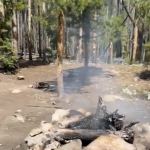
- Drown and stir: Extinguish fires completely with water, stir the ashes, and ensure the debris is cold to the touch.
- Watch campfires constantly: Never leave a fire or portable stove unattended. If you see an unattended fire, call 911.
- Keep vehicles off brush: Avoid parking or idling cars on tall, dry grass where hot exhaust systems can ignite a fire.
- Secure towing equipment: Ensure trailer safety chains do not drag and spark against asphalt. Check them at every stop.
The BLM added that under its Stage 2 restrictions, smoking is prohibited except in an enclosed vehicle or building, a developed recreation site, or while stopped in an area at least three feet in diameter that is barren or cleared of all flammable materials.
Gas-powered stoves or grills with a shut-off valve are still allowed in cleared areas under this stage.
Violating Stage 2 fire restrictions by lighting a campfire is a Class 2 misdemeanor. Violators face an immediate citation, a mandatory court appearance, steep fines and potential jail time. Additionally, you can be held financially liable for all fire suppression costs and property damage if the campfire sparks a wildfire.





Support Local Journalism
Support Local Journalism
As a Summit Daily News reader, you make our work possible.
Summit Daily is embarking on a multiyear project to digitize its archives going back to 1989 and make them available to the public in partnership with the Colorado Historic Newspapers Collection. The full project is expected to cost about $165,000. All donations made in 2023 will go directly toward this project.
Every contribution, no matter the size, will make a difference.